
Feature: Update on South Africa’s Human Rights Commission into Hunger
By Haidee Bartlett
There is a severe and ongoing hunger and malnutrition crisis in South Africa, often masked by the fact that South Africa is an upper-middle-income country with one of the most diversified economies in Africa. The country is formally categorised as nationally food secure and is a major agricultural exporter, with agricultural exports valued at R268.7 billion in 2025. However, the South African Human Rights Commission (SAHRC) reports a national food insecurity rate of 63.5%. Approximately 14 million people experience hunger daily, more than 1 000 children die from malnutrition annually, and 28.8% of South African children under five are stunted, permanently affecting their development.
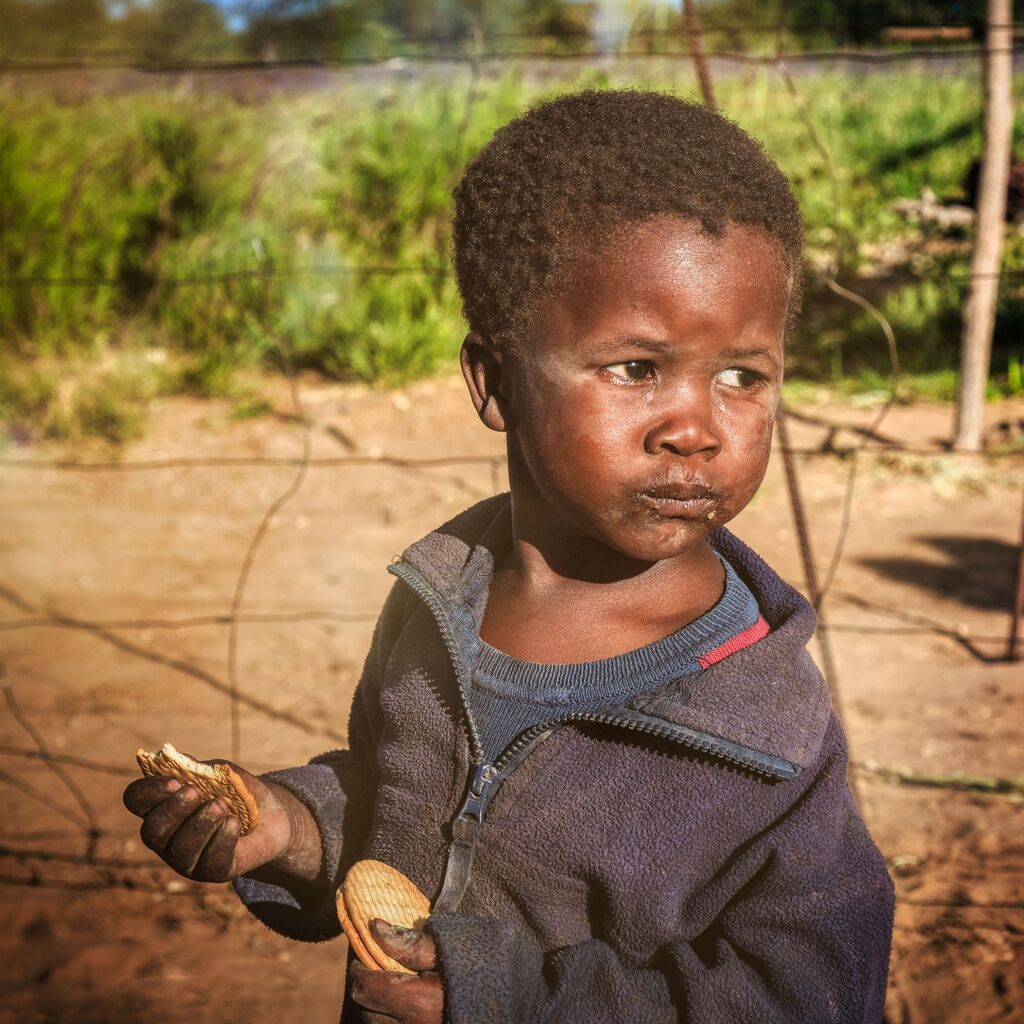
Behind these statistics are real families, missing meals and alternating meals amongst family members; buying cheaper, calorie-deficit foods; and choosing between buying food or buying electricity, transport, medicines, school supplies and other essentials.
Meanwhile more than 243 000 tons of edible food end up in landfills annually, while South Africa’s largest food retailer reported a record trading profit of almost R15 billion in 2025. Something is profoundly wrong with a food system that simultaneously generates abundance, waste and extraordinary wealth while millions go hungry.
We often speak about hunger as though it were an unfortunate side effect of poverty, climate shocks or global food prices. But this framing obscures the firm truth: widespread hunger persists not because the country cannot feed itself but because the way food is controlled, distributed and governed actively excludes millions of people.” – SAHRC Commissioner, Philile Ntuli
This prompted the SAHRC to convene a National Investigative Hearing into South Africa’s Food Systems, grounded in section 27 and 28 of the Constitution that protects our rights to sufficient food and to children’s immediate basic nutrition.
Inquiry round 1: Hearing from the hungry
The Commission organised the inquiry around seven themes:
- The structural and economic drivers of hunger
- Concentration of power in the food chain
- Land access and tenure
- The indivisibility of rights
- Indigenous knowledge, traditional seed and agroecology
- Institutional and legislative failures
- Civic participation and public accountability.
This marked a shift from treating hunger as a production problem to examining power and accountability across the food system.
The first phase of hearings was held from 12 to 20 March 2026. It heard testimony from civil society organisations, academics, communities affected by hunger, farm workers, informal traders, government departments and ministers. Many testimonies laid bare the indignity and daily struggle of hunger.
“A consistent theme emerging from these proceedings was the need to further interrogate the structure of the food system, particularly market concentration and the role of private sector actors in shaping access to food, affordability, and nutritional outcomes” – South African Human Rights Comission
South Africa’s highly commercialised food system prioritises export earnings, efficiency and shareholder value, while access and nutrition are treated as secondary concerns.
The Constitution does not permit this indifference. The right to food is neither aspirational nor an abstract concept. It is enforceable. For children, it is immediate.
Inquiry round 2: Interrogating power in the food system
A second round of hearings was held from 6 to 10 July, this time focusing on private sector actors across the food value chain: input companies, farmers, manufacturers, processors, retailers and industry associations.
Scrutinising the rhetoric around food security
In this round, SAHRC counsellors scrutinised long-standing rhetoric about food security – for example, that export-oriented agriculture ensures food security, that pesticides are indispensable or that the market naturally delivers affordability.
Food sector giants, including Tiger Brands, Grain SA,
AgriSA and several manufacturers gave testimony. Seed and agrochemical corporation, Syngenta, provided written evidence that was read into the record. Farmers described rising production costs and the pressure exerted by powerful buyers, with some laying responsibility for high prices and price gouging at the doors of major retailers.
Corporates no-shows
The absence of corporate retailers from the proceedings was striking. Shoprite submitted written answers but declined to appear for oral questioning. Massmart requested a postponement, SPAR asked for additional time, and Pick n Pay, Woolworths and Food Lover’s Market did not appear. Representatives from the beef and poultry sector were also a no-show.
The Congress of Traditional Leaders of South Africa, the National Agricultural Marketing Council and the Department of Cooperative Governance and Traditional Affairs were also notably absent.
Shoprite’s written submission crystallised the conflict. It argued that scale, logistics, discounts and competition keep food affordable; they rejected the idea of price caps and said binding undertakings to the Commission were unnecessary.
Civil society, however, has convincingly showed that corporate concentration, weak regulation, low wages and voluntary corporate initiatives have manifestly failed to prevent mass hunger.
South Africa is deeply locked into an industrial food system from seed to plate to waste and re-tooling this system will take massive political will. As long as hunger persists at current levels, our society remains a powder keg.
Have a story to share about corporate control of food systems in your country?
Get in touch: info@mizizimag.africa