
Climate change exposes poor governance in Malawi
By Andrew Joseph Kauwa , Malawi
Malawi is one of several southern African countries facing worsening food insecurity as climate change, recurring extreme weather events and the rising cost of agricultural inputs place increasing pressure on smallholder farmers.
According to Malawi’s Minister of Agriculture, the country remains highly vulnerable to climate-related disasters, including cyclones and El Niño-induced droughts. The 2022/23 and 2024/25 growing seasons were both severely affected by extreme weather, leading to widespread crop failures.
With nearly 80% of Malawians relying on agriculture for their livelihoods, most farming on less than one hectare of land, these repeated shocks continue to threaten food security across the country.
While government programmes have sought to respond to these challenges, many farmers say the support has not been enough to help them recover. Across rural Malawi, families are searching for their own solutions as they rebuild their lives and adapt to a changing climate.
“As you can see, we don’t have proper houses and in this month of June. We are eating maize bran, because we don’t have food. We don’t know how we will put food on the table for our families. Climate change really causes havoc to people in the rural areas.” – Malawian smallholder farmer
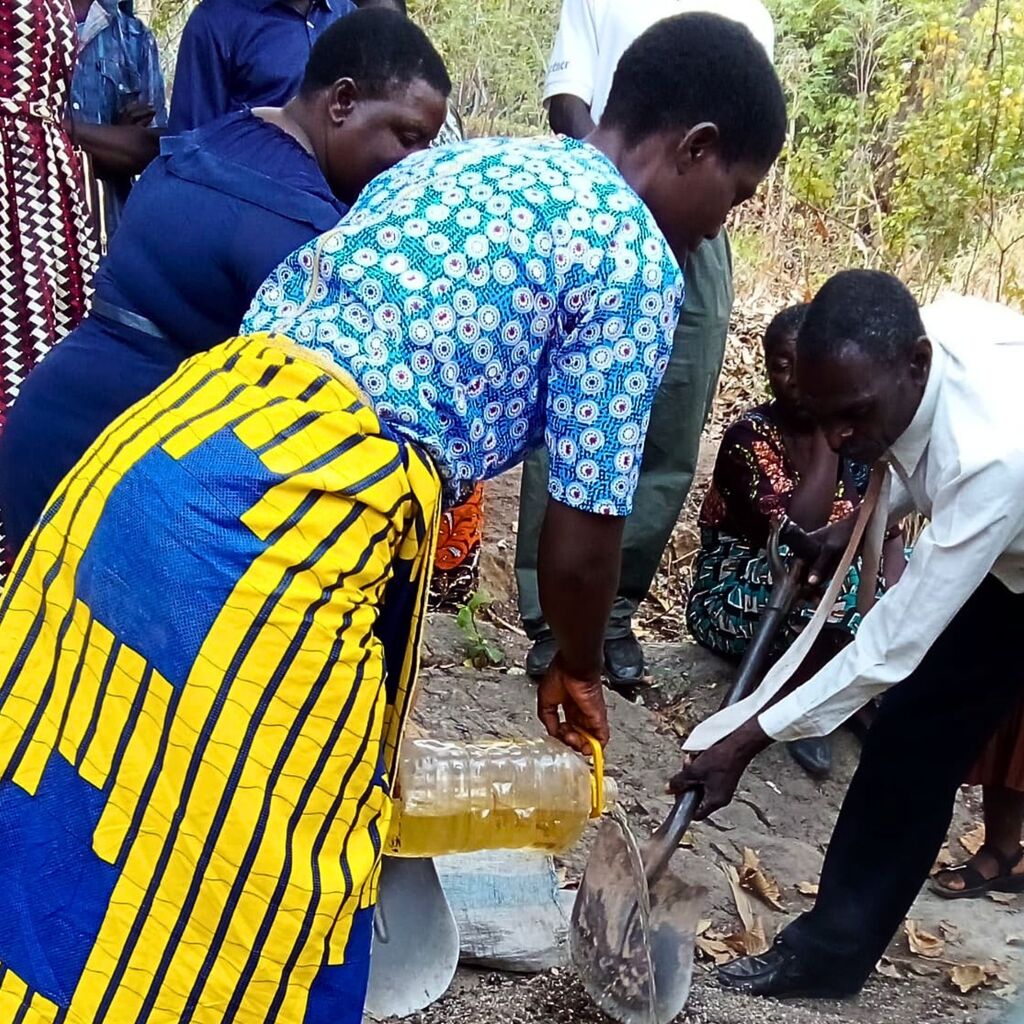
This story follows farmers from southern and central Malawi whose lives have been transformed by successive cyclones and floods. It also visits Tikondane Freedom Gardens in Lilongwe, where an innovative approach is helping restore degraded soils using processed human urine as fertiliser.
While government programmes have sought to respond to these challenges, many farmers say the support has not been enough to help them recover. Across rural Malawi, families are searching for their own solutions as they rebuild their lives and adapt to a changing climate.
“We are still struggling”
For Martha Phiri of Chiradzulu District, recovery has been painfully slow. Nearly three years after Cyclone Freddy devastated her community, she says many families are still waiting for meaningful support. Phiri lost six members of her family during the disaster and is the only survivor. Today she continues to rebuild her life while trying to farm under increasingly difficult conditions.
Rising waters, shrinking harvests
Further east, in Nankumba Village in Mangochi District along the shores of Lake Malawi, farmer Macgrey Chigalu faces a different challenge.
As lake levels continue to rise following years of heavy rainfall, much of his farmland remains flooded and uncultivable. The family now depends on a small half-hectare plot that cannot produce enough food to meet their needs.
Chigalu is calling on the Malawi Government and development organisations to provide greater support to small and medium-scale farmers through starter packs of seed and other farming inputs that would help families return to productive agriculture.
Finding solutions through agroecology
Not all the stories are about loss. In Lilongwe, Tikondane Freedom Gardens is demonstrating how locally available resources can help farmers rebuild soil fertility while reducing dependence on expensive synthetic fertilisers.
Farm manager Daniel Chikhuntha says the initiative began in 2022 after Cyclone Freddy left many fields badly eroded. The project collects and safely processes human urine for use as an organic fertiliser. Since adopting the practice, degraded soils have gradually recovered and productivity has improved. “We have been using processed human urine since 2022. Gardens that were badly eroded during the cyclone are now regaining their soil fertility,” says Chikhuntha.
He believes more communities could benefit from adopting similar low-cost organic practices to restore soils damaged by climate change and reduce the financial burden of purchasing agricultural inputs.
Building resilience
For many farmers across Malawi, climate change is no longer a future threat but a daily reality.
Extreme weather, rising production costs and limited support continue to undermine rural livelihoods. Yet alongside these challenges, communities are developing practical, locally led solutions that strengthen resilience and restore the land.
Their experiences highlight both the urgent need for stronger support for smallholder farmers and the important role that agroecological innovation can play in helping communities adapt to a changing climate.
Spread the story: