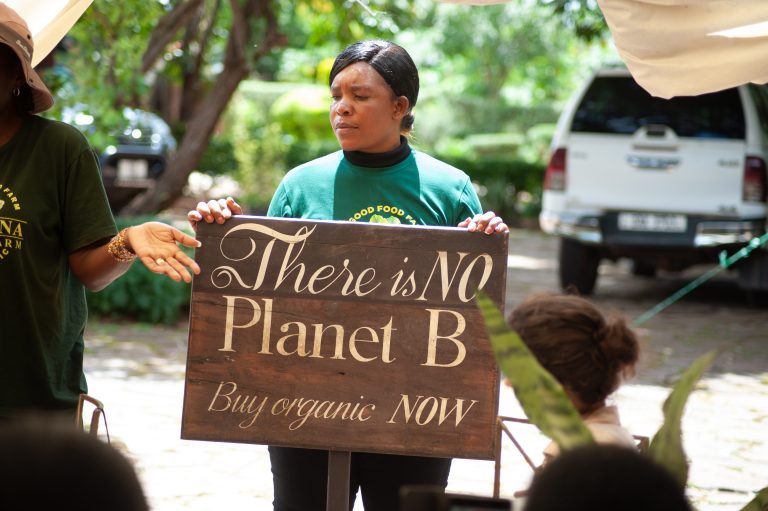
Youth entrepreneurship for healthy communities in Malawi
Soils, Food and Healthy Communities (SFHC) is a non-profit organisation based in Mzuzu, northern Malawi. It works with farmers, government and academia to strengthen farmer networks, improve agroecological production and food security, promote gender inclusivity and regenerate the local landscape. SFHC works in more than 700 villages with more than 15 000 farmers. www.soilandfood.org
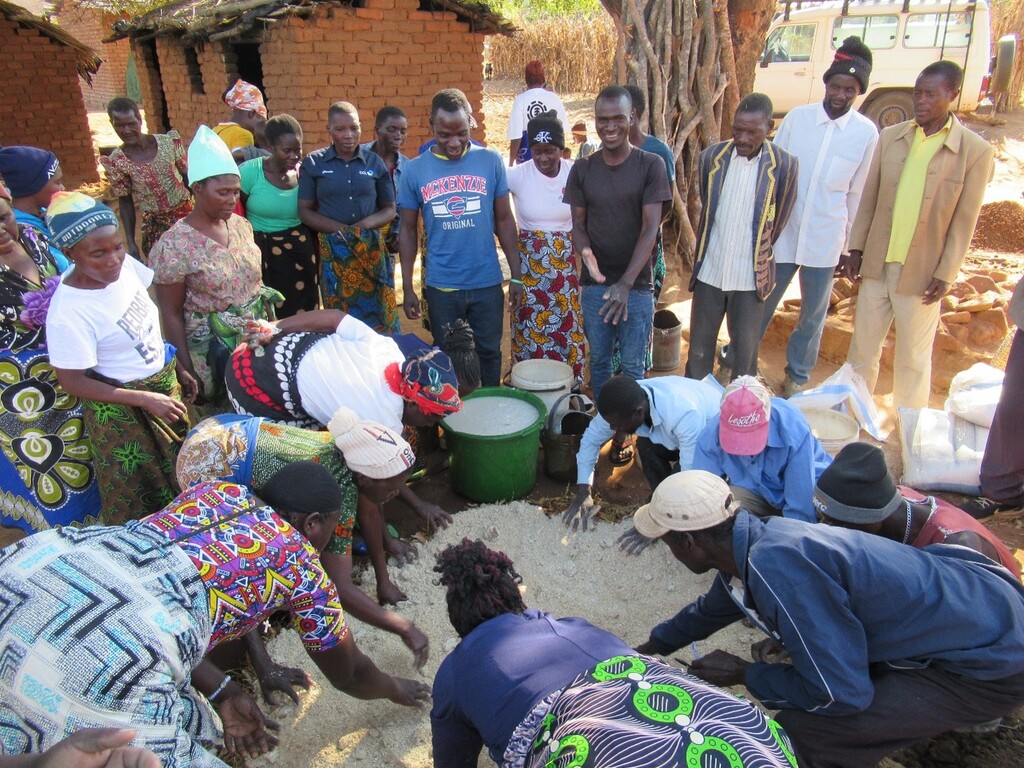
SFHC’s approach is deeply integrated, long-term and community led. Rather than running disconnected donor-driven projects, the organisation has spent the past 24 years steadily building, refining and expanding interconnected programmes spanning food, water, health, environment, energy, gender and climate resilience. Gender and youth are not treated as stand-alone themes but are embedded across all areas of work. SFHC is training 32 young people through its Farmer Research Teams in tree planting, regeneration and agroecological gardening. SFHC is also building their entrepreneurship skills, helping them turn successful harvests into profitable local businesses that strengthen food security and create economic opportunities in their communities.
Read on to hear from the youth in this programme about why food and farming systems are so important to them.
“Do not believe the lie that farming is a punishment for the poor. We do not need to run to the city to be successful. We can grow the city’s food. We can become the generation that heals the land instead of exhausting it. Start with one compost pit. Start with one seed. Start now.”
– Wongani Nyirenda, SFHC Field Officer, Harness Farms Project
Wongani Nyirenda: I work as a Field Officer for the Harness Farms Project under SFHC. I train farmers in good agricultural practices, including growing different crops on the same piece of land, and on how to manage pests and diseases using botanical remedies with the aim of improving yields while protecting the environment. We work to restore degraded land through practices such as contour ridges and other soil and water conservation measures.
At the end of the day, communities want healthy food on their tables and income from their farms. That is why Harness Farms also trains producers in value addition, helping them process products such as peanut butter, soybean flour and groundnut flour. Producers can sell their agroecological products through established agroecological markets and directly to consumers, supported by awareness campaigns that promote the benefits of agroecological food. Before I joined the Harness Farms Project, I thought farming was mainly about maximising yields; now I understand that farming is also about listening, observing and learning from the land.
I want young people to know there is real and important work here, whether you come to it through farming itself, data, research or working with communities. The knowledge needed to farm well through a changing climate does not all come from outside. Much of it already exists with farmers. My hope is that more young people become curious about that, take time to learn from it, and find ways to contribute.
– Wyson Maleta, SFHC Monitoring and Evaluation Officer
Wyson Maleta: I grew up watching farming shape everything around me, what we ate, how the season felt, whether a family was doing well or struggling. That background drew me toward work that stays close to those realities. I now work at SFHC as a Monitoring and Evaluation Officer, which means I spend time in farming communities tracking what is actually changing and why. The more time I spend with farmers, the more I understand that soil is not just a growing medium, it is the foundation that either holds a community together or quietly lets it down.
The Agroecology Gender-Transformative Living Labs For Climate Resilience (AGILE4Climate) project, which SFHC is implementing with partners, including Cornell University, Western University, Lilongwe University of Agriculture and Natural Resources, Mzuzu University, Cornell University and the Ministry of Agriculture, is working with rural farmers including women and youth to test how agroecological practices hold up against climate risks, and how combining that knowledge with local experience and weather forecasts can help farmers make better decisions.
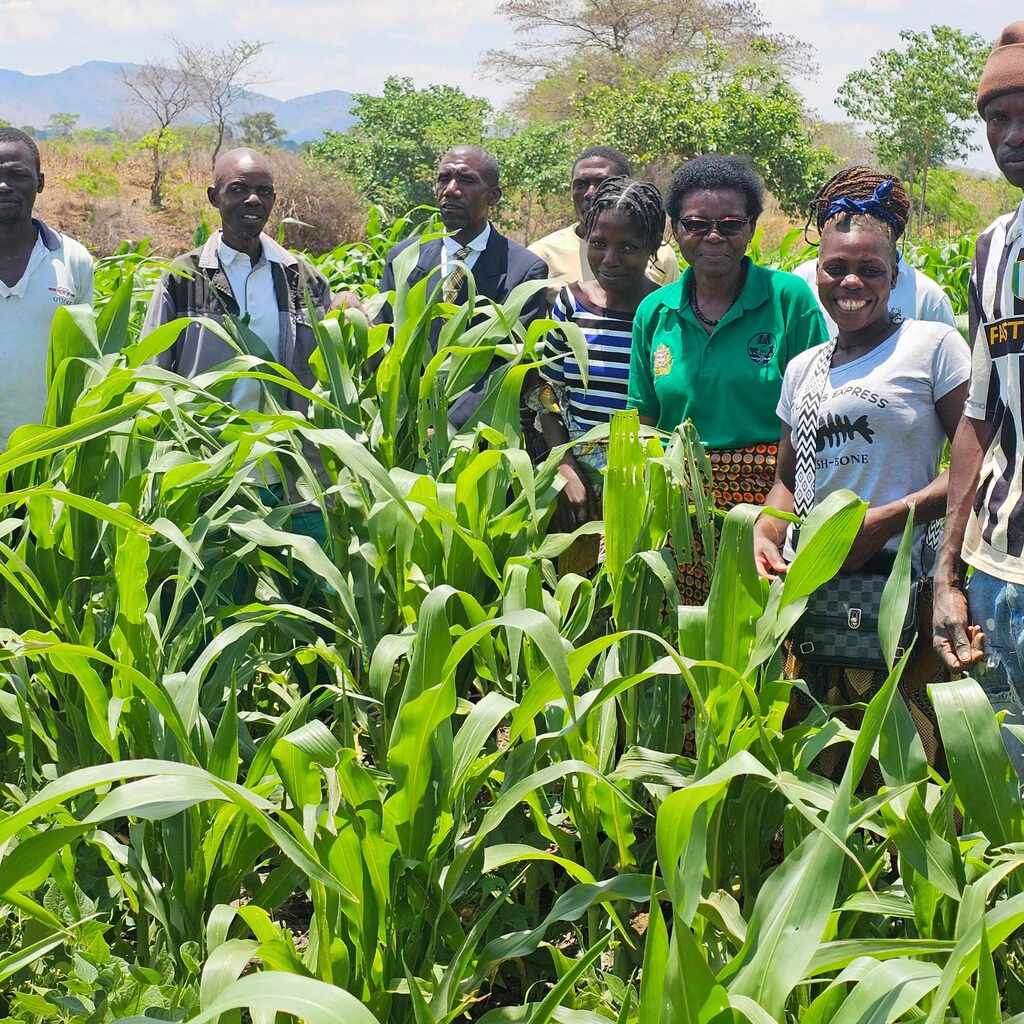
Vanessa Chitenje: I grew up in a family where we believe in farming. We grow different crops such as maize, groundnuts, cassava and vegetables. Currently, I work at SFHC as a Farmer Community Promoter working hand in hand with farmers in the communities. As such, I have seen how healthy soils affects our food, health and future. I have experienced and learned that healthy soils produce healthy food that leads to healthy communities.
When people started implementing agroecological practices such as the use of organic inputs (Bokashi and botanical pesticides), practicing crop rotation, agroforestry, inter-cropping and mixed cropping, there was an improvement in soil fertility, which resulted in increased crop production. This changed my thinking towards understanding that farming is really about caring for the soil first. My message to youth is that they should always start small. Young people should see farming as innovation, not just hard work; that if we use agroecological methods and work together, we can make Malawi food secure. Every seed we plant and take care of is a step forward to healthy food and healthy people because the future of healthy food is in our hands.
David Maximus Banda: My connection with farming comes through my work with SFHC and various agroecology initiatives. Over the years, I have worked closely with farmers, youth groups, community leaders, extension workers and different stakeholders including research institutions and universities in promoting agroecological farming practices that improve food security, nutrition, socio-economic and environmental health.
I have come to understand that soil is a living ecosystem full of organisms that support plant growth and resilience. Even in the degraded soils, these living organisms exist but have been suffocated; they need to be awakened through agroecological practices and biofertilisers like bokashi. My message to fellow young people is that the future of food and farming is in our hands. Agriculture is not just about growing crops. It is about creating jobs, improving nutrition, protecting our environment and building sustainable and resilient communities. As young people, we have the energy, creativity and innovation needed to transform our food systems through agroecology and sustainable land management practices.
“I believe that youth participation in agriculture can make a significant contribution to Malawi’s economy and improve living standards. Many young people in Malawi are unemployed or lack business opportunities. BSF farming requires relatively little capital and offers a practical way for young people to create employment for themselves, earn an income and contribute to more sustainable food systems.”
– Rowland Watipaso Mhone, BSF Field Officer
Rowland Watipaso Mhone: I joined SFHC in 2023 and have been managing Black Soldier Fly farming (BSF) since then. BSF larvae are rich in protein, fats and other nutrients, making them an excellent feed for livestock and aquatic animals. BSF farming also helps address environmental challenges because the larvae feed on organic waste, reducing the amount of waste in our communities. The residue left behind after feeding can be processed into high-quality organic manure that improves soil health.
BSF farming offers farmers an affordable alternative to expensive commercial feeds, some of which contain chemicals that may not be beneficial to animal or human health. The system is low-cost and accessible, even for small-scale farmers. BSF manure can also reduce dependence on synthetic fertilisers while supporting strong crop yields. It improves soil quality and helps farmers produce healthy food sustainably. Livestock and fish fed with BSF larvae grow faster and more efficiently. For example, broiler chickens fed with BSF larvae can reach slaughter weight in four to five weeks, compared to the usual six weeks. These benefits can help farmers increase productivity and improve food security.
SFHC is also part of the partner-led Seed and Knowledge Initiative building a movement for agroecology, farmer-led seed systems and food sovereignty to realise Farmers’ Rights and achieve healthy and biodiverse food systems in southern Africa.
Share this story with a friend using the links below: