Rediscovering Zimbabwe’s Food Heritage at the 2026 National Good Seed and Food Festival
By Zimbabwe Good Seed and Food Festival
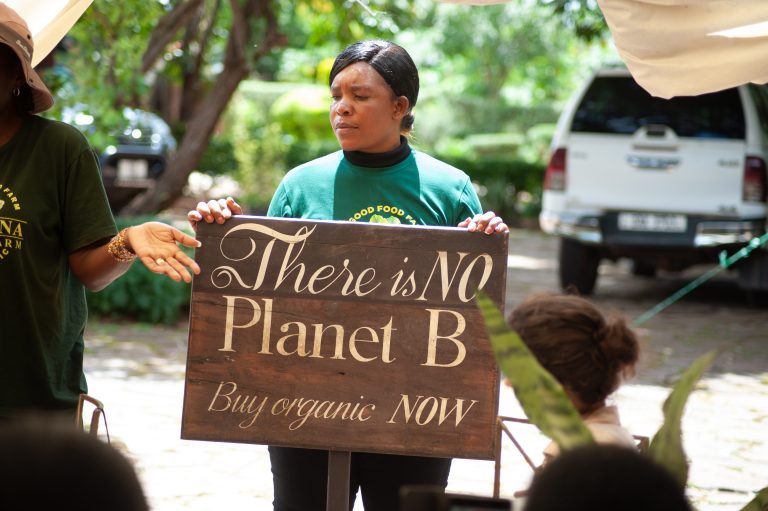
Across Africa, there is growing recognition that traditional foods hold the key to healthier diets, stronger rural livelihoods and more resilient farming systems. In Zimbabwe the National Good Seed and Food Festival has become a vibrant expression of this movement.
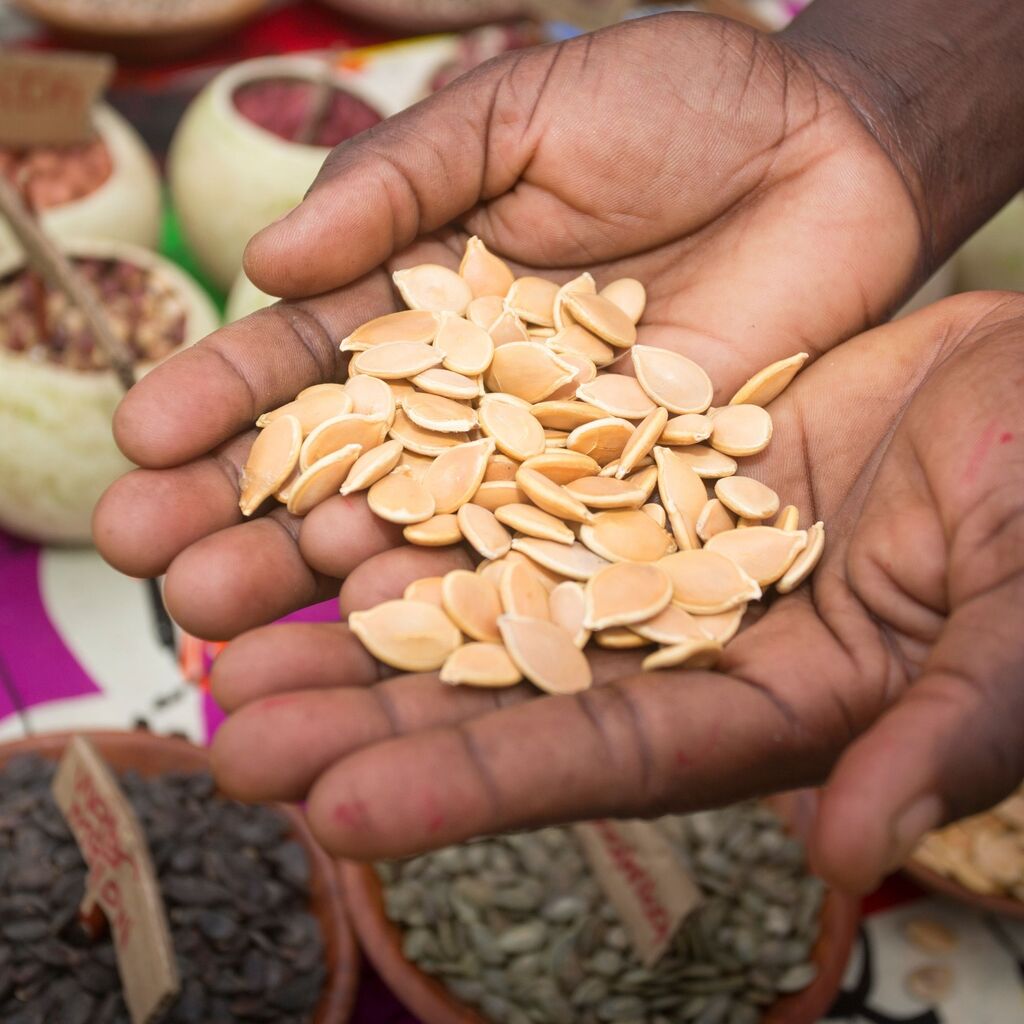
On 18–19 September 2026, the Harare Botanical Gardens will host farmers, seed custodians, chefs, food processors, researchers, entrepreneurs and consumers for a celebration of Zimbabwe’s rich food heritage. Under the theme “Savouring Traditional Flavours,” this year’s festival will showcase indigenous ingredients, traditional recipes and the cultural knowledge that has nourished communities for generations.
The featured crop for 2026 is cowpea which is one of Africa’s oldest cultivated legumes. Valued for its drought tolerance, nutritional richness and versatility, cowpea is increasingly recognised as a climate resilient crop that can strengthen food and nutrition security while supporting sustainable agriculture. Throughout the festival visitors will discover many ways this resilient crop can be transformed into nutritious meals and innovative food products.
On 18–19 September 2026, the Harare Botanical Gardens will host farmers, seed custodians, chefs, food processors, researchers, entrepreneurs and consumers for a celebration of Zimbabwe’s rich food heritage. Under the theme “Savouring Traditional Flavours,” this year’s festival will showcase indigenous ingredients, traditional recipes and the cultural knowledge that has nourished communities for generations.
The featured crop for 2026 is cowpea which is one of Africa’s oldest cultivated legumes. Valued for its drought tolerance, nutritional richness and versatility, cowpea is increasingly recognised as a climate resilient crop that can strengthen food and nutrition security while supporting sustainable agriculture. Throughout the festival visitors will discover many ways this resilient crop can be transformed into nutritious meals and innovative food products.
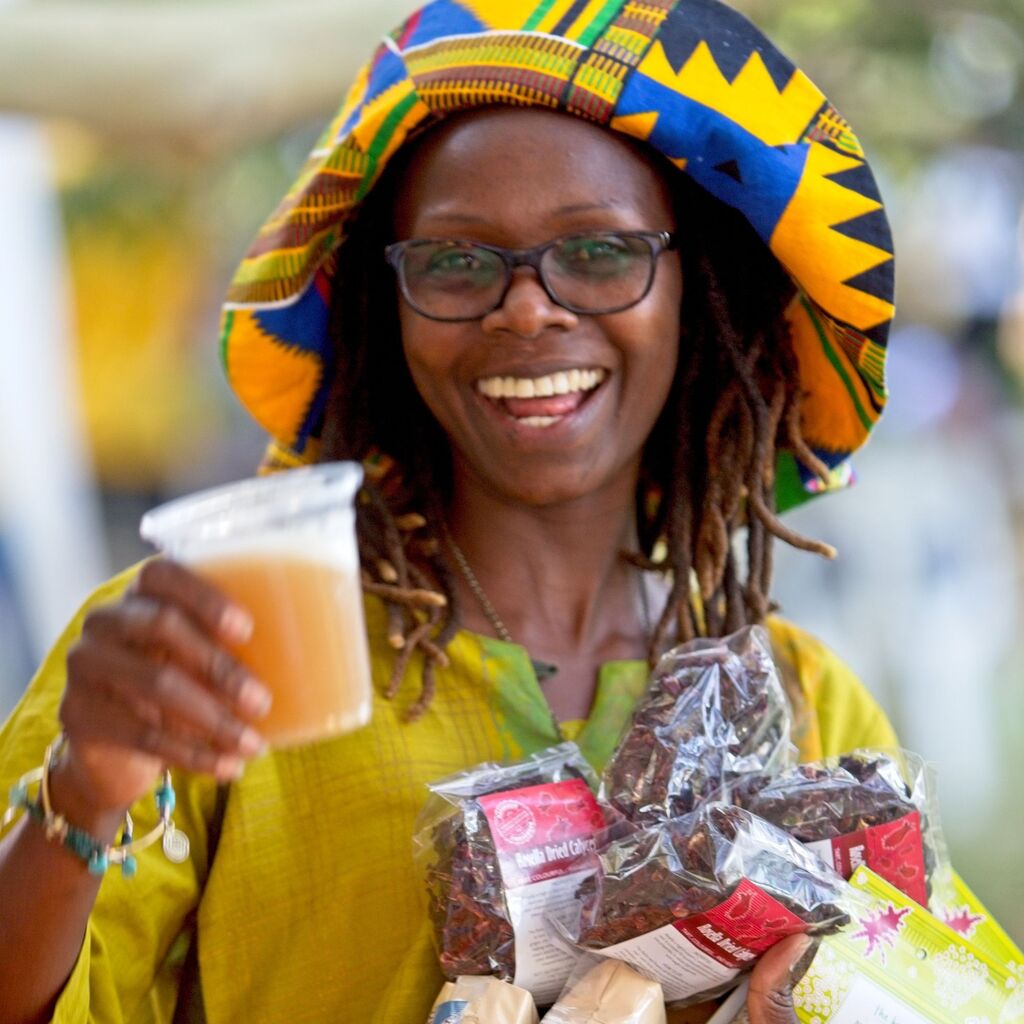
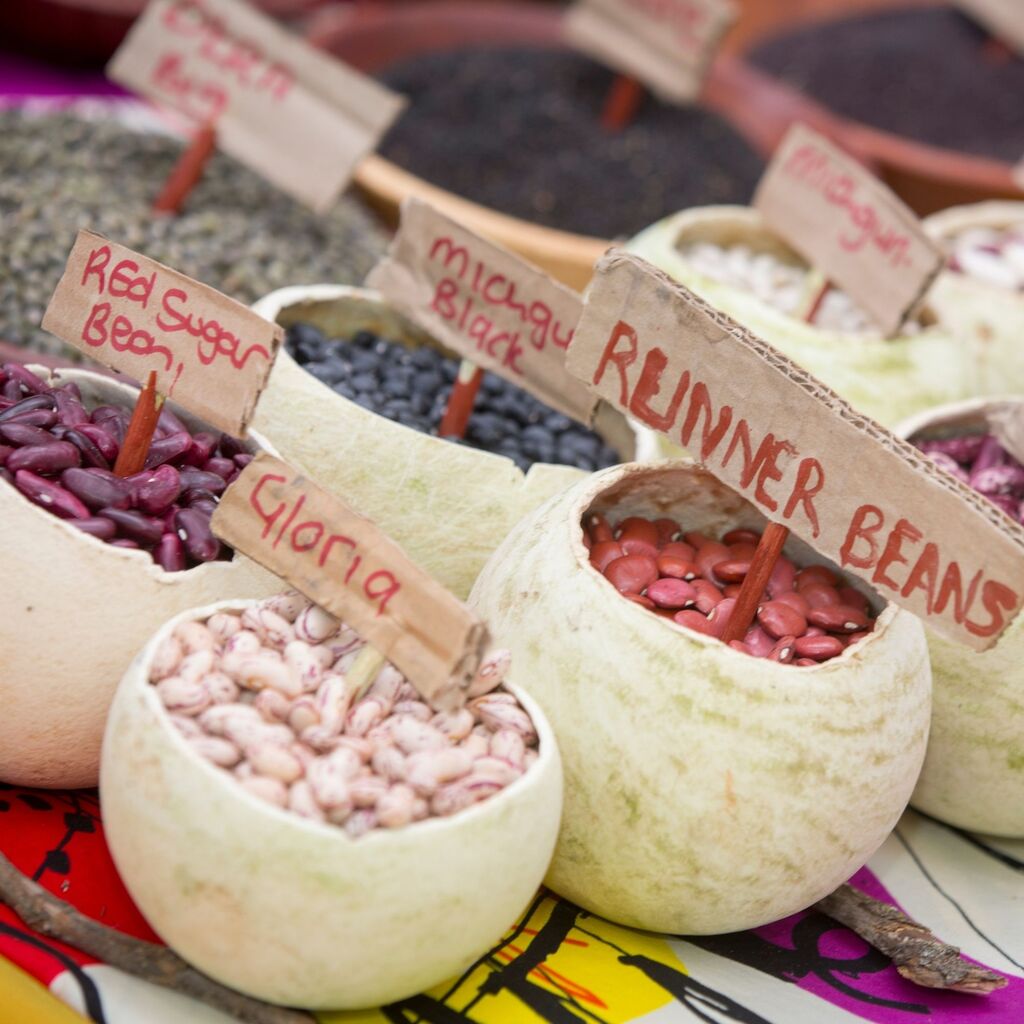
Colourful exhibition stalls will showcase locally adapted seed varieties, fresh produce and value added products from farmers, community groups and rural enterprises across Zimbabwe. Visitors can sample authentic Zimbabwean cuisine at the food court, where traditional dishes prepared with indigenous ingredients will be served. Live cooking demonstrations will celebrate both cherished family recipes and contemporary ways of preparing local foods.
Credit: Zimbabwe Good Seed and Food Festival
The festival also provides a platform for learning and dialogue. Farmers, researchers, nutritionists and policymakers will exchange ideas on seed sovereignty, biodiversity conservation, healthy diets and resilient food systems. Activities for children will inspire a new generation to value indigenous crops while music and cultural performances will create a lively atmosphere celebrating Zimbabwe’s diverse traditions.
More than an annual gathering, the Good Seed and Food Festival demonstrate how agricultural biodiversity and traditional knowledge can contribute to sustainable development. By bringing together producers, consumers, researchers and businesses, the festival strengthens connections across the food system while creating opportunities for rural entrepreneurship and local markets.
At a time when many African countries are seeking to build more resilient food systems and reduce dependence on imported foods, Zimbabwe’s experience offers an inspiring example of how indigenous crops and local food cultures can contribute to sustainable development. The festival reminds us that food is far more than nourishment—it embodies culture, identity, biodiversity and resilience. Every indigenous seed conserved, every traditional recipe prepared and every farming practice passed from one generation to the next helps safeguard Africa’s rich agricultural heritage.
As Zimbabwe prepares to welcome visitors this September, the National Good Seed and Food Festival offers an invitation to taste, learn and celebrate the country’s remarkable food traditions. It is a reminder that preserving traditional foods is not simply about honouring the past, but about building healthier people, stronger communities and more sustainable food systems for future generations.
Help this story reach a wider audience: