Preparing for the heat: Women farmers adapt ahead of predicted El Nino
By Marcia Moyana
South Africa’s small-scale farmers are bracing for another El Niño as meteorologists confirm predictions for the weather phenomenon…
According to the World Meteorological Organisation (WMO), forecasts show an 80% likelihood of the weather phenomenon developing between June and August, and a near or above 90% chance that it will persist into November.
What is El Niño? El Niño is a natural climate pattern that occurs when parts of the Pacific Ocean become unusually warm, changing weather patterns around the world. Although it starts thousands of kilometres away, it can have major impacts across Africa. In Southern Africa, El Niño often brings hotter and drier conditions, leading to droughts, water shortages, crop failures and livestock losses. In East Africa, El Niño can sometimes bring heavier rainfall, increasing the risk of flooding, damage to infrastructure and the spread of water-borne diseases.
For women farmers like Lindi Nzwana in Evaton, Tsakane Ngobeni in Moretele and Cecelia Carolisen in Cullinan, South Africa, the WMO warning revives memories of the devastating 2023/24 El Niño, one of the strongest on record. The South African government reported a drop of 21% in agricultural produce. The United Nations Office for the Coordination of Humanitarian Affairs (OCHA) reported that 29 million people in Southern and Eastern Africa were pushed into hunger.
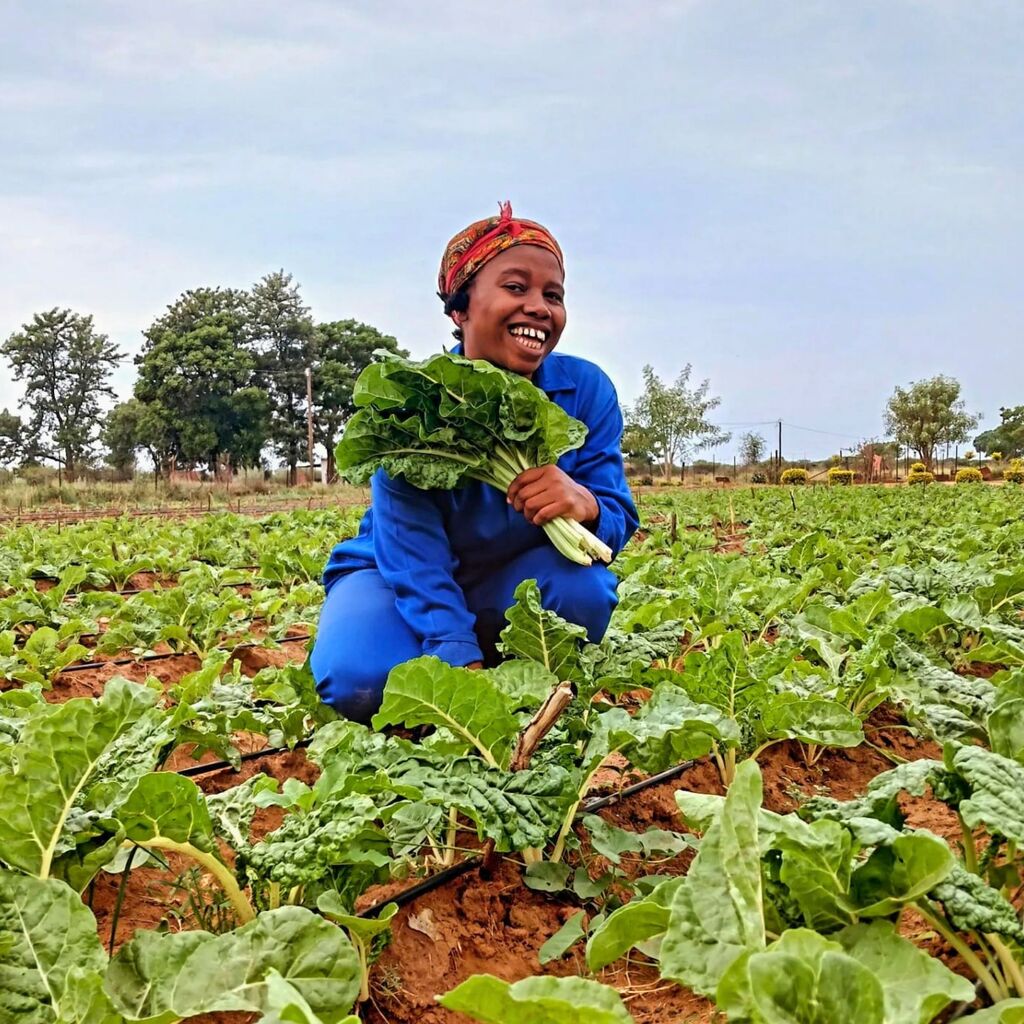
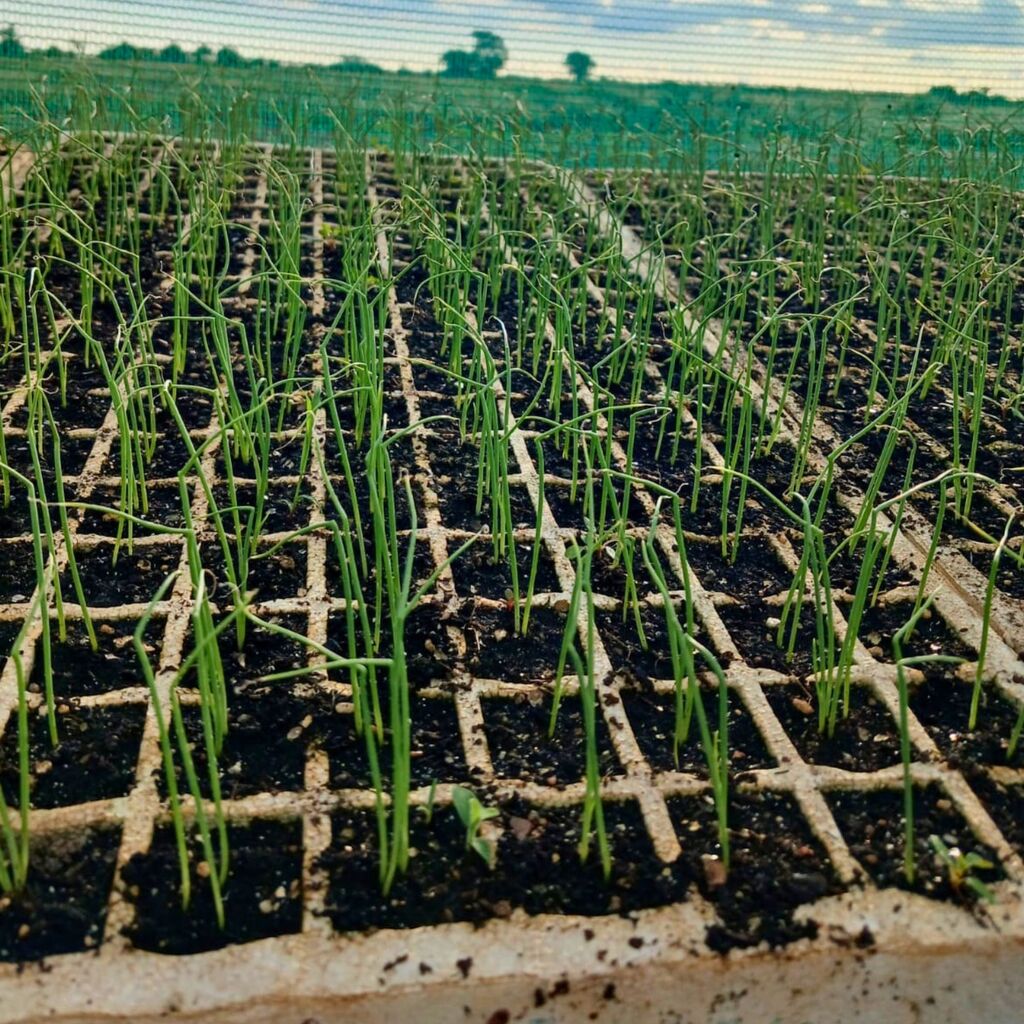
Nzwana, who has farmed for a decade, grows winter staples including mustard spinach, Chinese cabbage, spinach, onions and kale. She says drought, extreme heat and heavy rainfall have become recurring threats to production. “With heat our crops get burned and with extreme rainfall they drown, causing damage to the crops and losses,” she says.
To cope with increasingly unpredictable weather, Nzwana has invested in practical adaptation measures like water tanks to store water during dry periods, mulching to retain soil moisture and a shade net to protect sensitive crops from extreme heat. Despite these efforts, she admits there are limits to what small-scale farmers can do with limited resources.
“We are not 100% prepared. Only crops that are under greenhouse and those that we have covered will at least survive but those on open land will definitely be affected.” – Linda Nzwana, smallholder farmer, Evaton, South Africa
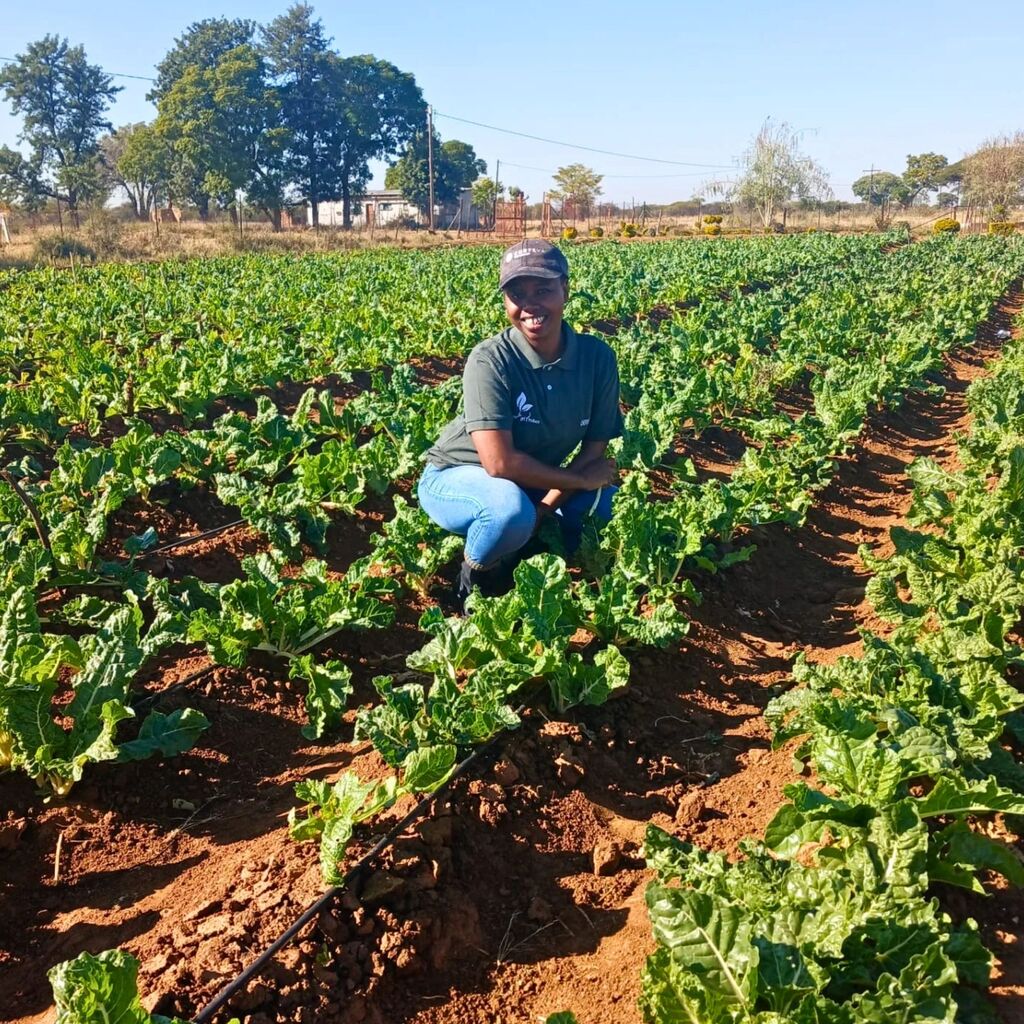
Several hundred kilometres away in Moretele, Tsakane Ngobeni, owner of Tsakane Agri Produce, faces similar challenges. Her five-hectare farm produces vegetables including beetroot, spinach, onions, butternut, cabbage and sweet peppers. Climate change has brought prolonged droughts, extreme heat and unpredictable rainfall patterns that affect yields and increase production costs.
“During dry periods, water availability becomes a major challenge, while excessive rainfall can lead to waterlogging, disease outbreaks and delayed field operations,” she says.
Ngobeni joined Solidaridad‘s network in 2023 and credits the organisation with providing technical training and support that has strengthened her business. The programme has also helped create employment, with 30 participants currently working on the farm.
To prepare for another El Niño, Ngobeni has introduced drip irrigation to reduce water wastage, plans to expand the use of mulch to preserve soil moisture and continues to improve soil health through composting and the use of organic manure.
“We diversify our crop production to reduce risk and carefully plan planting dates based on weather forecasts.” – Tsakane Ngobeni, smallholder farmer, Moretele, South Africa
For Carolisen of Kgorang Co-operative, climate change has already left a painful mark for the co-op that has been doing livestock and crop farming since 2011. Among her livestock are cattle, sheep, goats and pigs – they also have crops like spinach, cabbage, mustard, beetroot and onions. She recalls losing an entire cabbage crop during heavy rains.”My experience during disasters such as floods and droughts has been very challenging. I even lost my whole cabbages due to the heavy rain,” she says.
Carolisen joined Solidaridad in 2024 and has already started implementing some of the skills and support she has learned through their support programmes. “Through their support, training and guidance, I have gained valuable knowledge and practical skills in farming, crop management, soil preparation, planting and caring for vegetables,” she says.
Dr Jonathan Atkinson, newly appointed Managing Director of Solidaridad Southern Africa, says the experiences of farmers like Nzwana, Ngobeni and Carolisen reflect broader lessons from the last El Niño.
“Farmers who invested in soil health, diversified their crops and income streams, and had access to reliable climate information generally performed better than those who did not.” – Dr Jonathan Atkinson, Managing Director Solidaridad Southern Africa
According to Atkinson, preparation must go beyond forecasts, suggesting drought-tolerant crops, water conservation and improved soil management as key priorities. Despite the challenges ahead, the women remain committed to farming and to strengthening food security in their communities. Atkinson is optimistic because farmers across the region continue to demonstrate remarkable innovation and resilience. Collaboration between farmers, governments, the private sector, and development partners will ensure that the region becomes a global leader in sustainable agricultural production and trade.
Pass this story on: