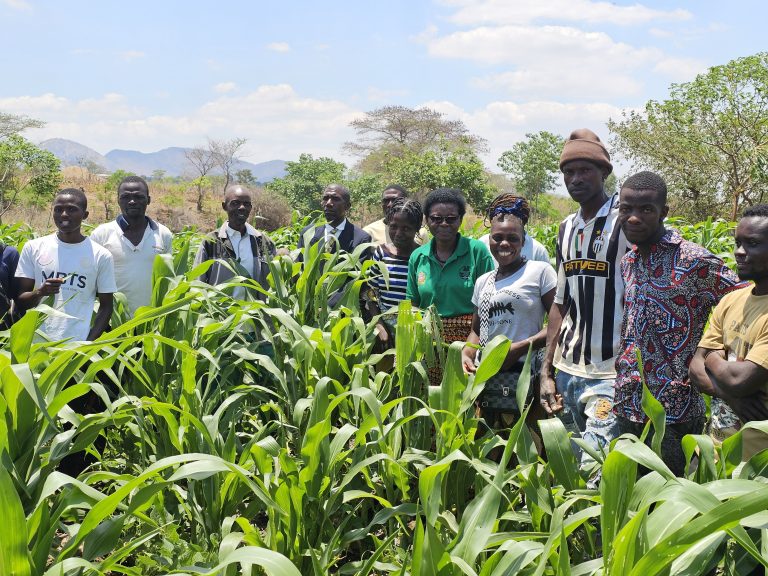
Feature: Farming and wildlife: Seeking solutions in Eastern Zambia
By Rabecca Mwila, Staff Writer
Farmers in Chama District of Eastern Zambia continue to suffer devastating crop losses due to increasing human-wildlife conflict, a situation agricultural authorities say is threatening food security and rural livelihoods.
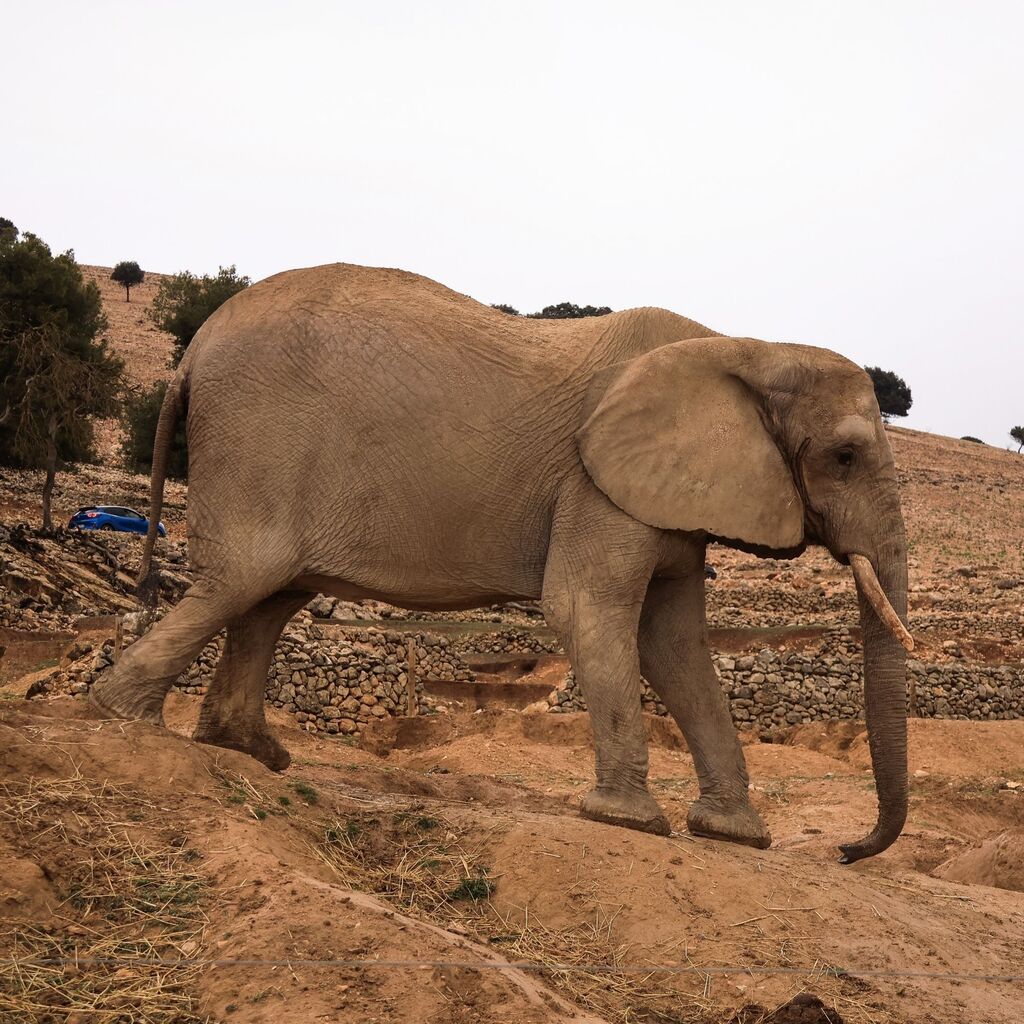
Chama lies largely within the Musalangu Game Management Area, a wildlife buffer zone connected to major conservation areas, including North Luangwa National Park and sections of the Malawi-Zambia Transfrontier Conservation Area.
In a recent statement to parliament, Minister of Tourism Rodney Sikumba revealed that 63,211 human-animal conflicts have occurred in the last 5 years. The impact is devastating, loss of human life, injuries, livestock loss and destruction of crops and property.
Julius Ngulube, a farmer of Mazumo village, says he lost his maize after elephants destroyed crops on his two hectare piece of land.
“Every year we experience these incidents, especially during harvesting time. I am now struggling to repay the loan I got under the Sustainable Agriculture Financing Facility because I have lost all my crop.” – Julius Ngulube, farmer of Mazumo village
Ngulube is appealing to authorities to urgently introduce measures aimed at protecting farmers’ fields, including the installation of electric fencing and the provision of fireworks or other deterrent methods to scare away elephants.
An assessment on the extent of crop damage on Julius Ngulube’s farm conducted by the Department of Agriculture, indicates a 70 percent crop loss.
Ngulube is now requesting the government, through the Department of National Parks and Wildlife, to consider compensating him and other farmers whose crops have been destroyed by wild animals to mitigate hunger and income loss.
Acting District Agriculture Coordinator (DACO), Mary Nakaonga, explained that human-wildlife conflicts are directly contributing to food insecurity and negatively affecting livelihoods in many communities.
“Some farmers are now discouraged from farming altogether because of this situation. We are worried that hunger will increase in communities.” – Mary Nakaonga, DACO
To address the challenge, the government, cooperating partners and local communities are introducing sustainable and bio-agro based mitigation measures.
Nakaonga says a steering committee comprising the Community Resources Board, Community Markets for Conservation, Department of National Parks and Wildlife, Department of Agriculture and traditional leaders has been formed under the Malawi-Zambia Transfrontier Conservation Area project.
The committee is meant to scale up community-based strategies aimed at reducing human-wildlife conflict while promoting biodiversity conservation and sustainable livelihoods.
Through the project, farmers in wildlife hotspot areas are receiving seeds for chili, ginger, garlic and onions to help diversify income sources and reduce dependence on crops frequently destroyed by animals.
Nakaonga notes that while no crop is completely wildlife-proof, certain crops are less attractive to wild animals compared to maize.
“Groundnuts and cassava are often targeted less severely. We are encouraging farmers to grow cash crops such as chili, ginger, garlic and onions, which animals rarely feed on. These crops can help farmers generate income to buy staple foods while at the same time supporting biodiversity conservation and improving community livelihoods.” – Nakaonga
Communities are also using environmentally friendly approaches including chili bombs to drive elephants away from crop fields.
“As a department, we are also involved in land-use planning aimed at separating conservation zones from farming zones, though implementation is still underway.” – Nakaonga
Nakaonga is urging all farmers in the area to adopt these farming strategies as they are sustainable and harmless to both humans and wildlife.
Share to keep the conversation going: