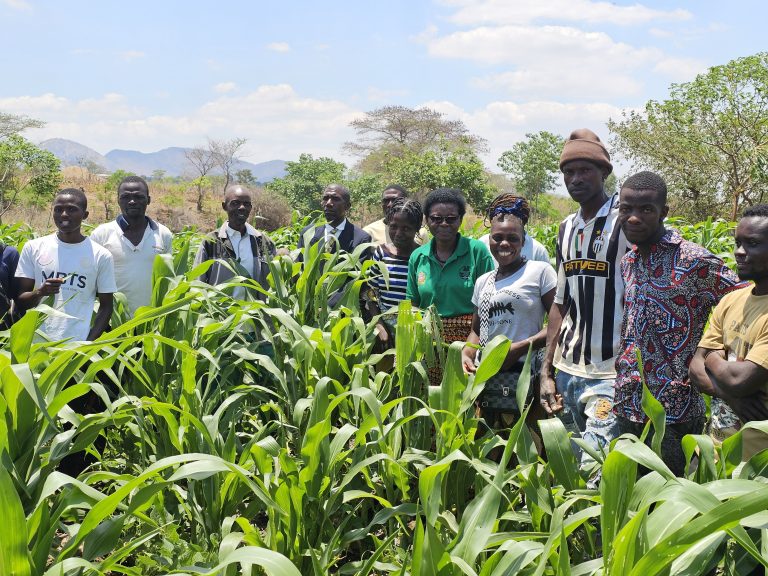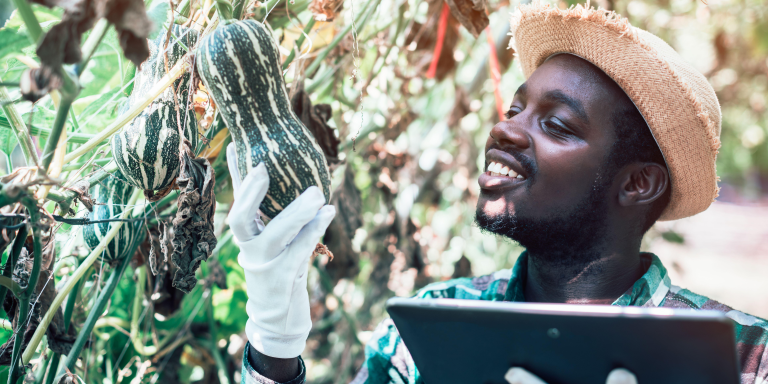
Hope beyond the drought: How Rufunsa farmers in Zambia are building climate esilience
By Samuel Mbewe, Zambia
For years, the rhythm of life in Rufunsa District was dictated by the rains. When the rains came, families planted their crops with hope. When they failed, hunger and uncertainty followed…
Like many smallholder farmers across Zambia, communities in Chisunka Irrigation Scheme and Chawola Agricultural Camp depended entirely on rain-fed agriculture. But as climate change brought prolonged droughts and erratic rainfall patterns, farming became increasingly difficult, threatening both food security and livelihoods.
Today, however, a quiet transformation is taking place.
At the Chisunka Irrigation Scheme, rows of green vegetables stand in sharp contrast to the dry landscape surrounding them. Here, 35 households are using a solar-powered drip irrigation system that allows them to grow crops throughout the year, regardless of rainfall.
For Micheal Zimba, Chairperson of the irrigation scheme, the project has been life changing.
“The irrigation system has given us food and income even during drought periods,” he says. “We no longer depend entirely on the rains. We can grow maize and vegetables throughout the year and support our families.” – Micheal Zimba, Chair of Chisunka Irrigation Scheme
The community cultivates crops such as maize and rape, providing both nutrition and a reliable source of income. What makes the scheme even more remarkable is its commitment to sustainable farming practices.
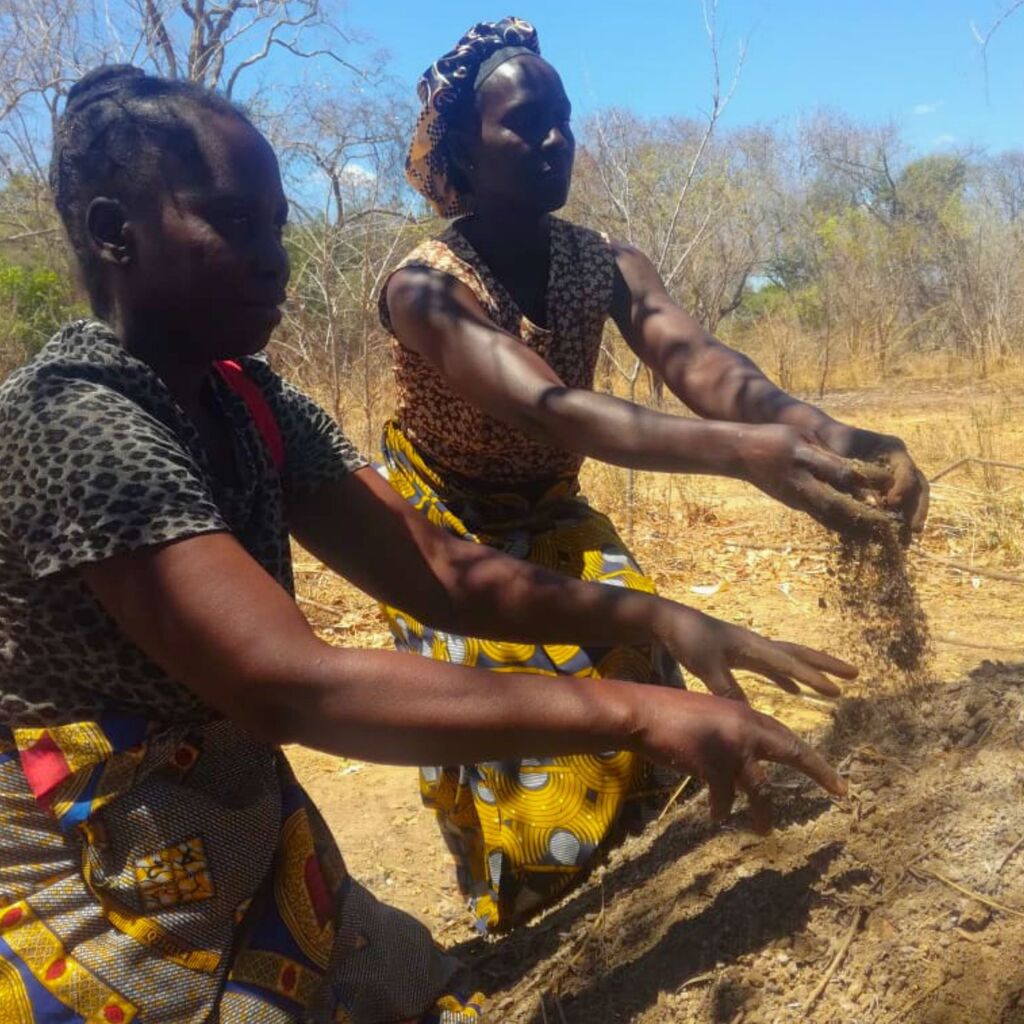
Through support from Community Technology Development Trust (CTDT), farmers have been trained in producing Bokashi organic fertiliser using locally available materials. Fresh grasses, tree leaves and chicken droppings are transformed into nutrient-rich manure that improves soil fertility without the need for costly chemical fertilisers.
“We have learned that organic fertilisers protect our land while improving crop production,” Zimba explains. “It is a solution that works for both farmers and the environment.”
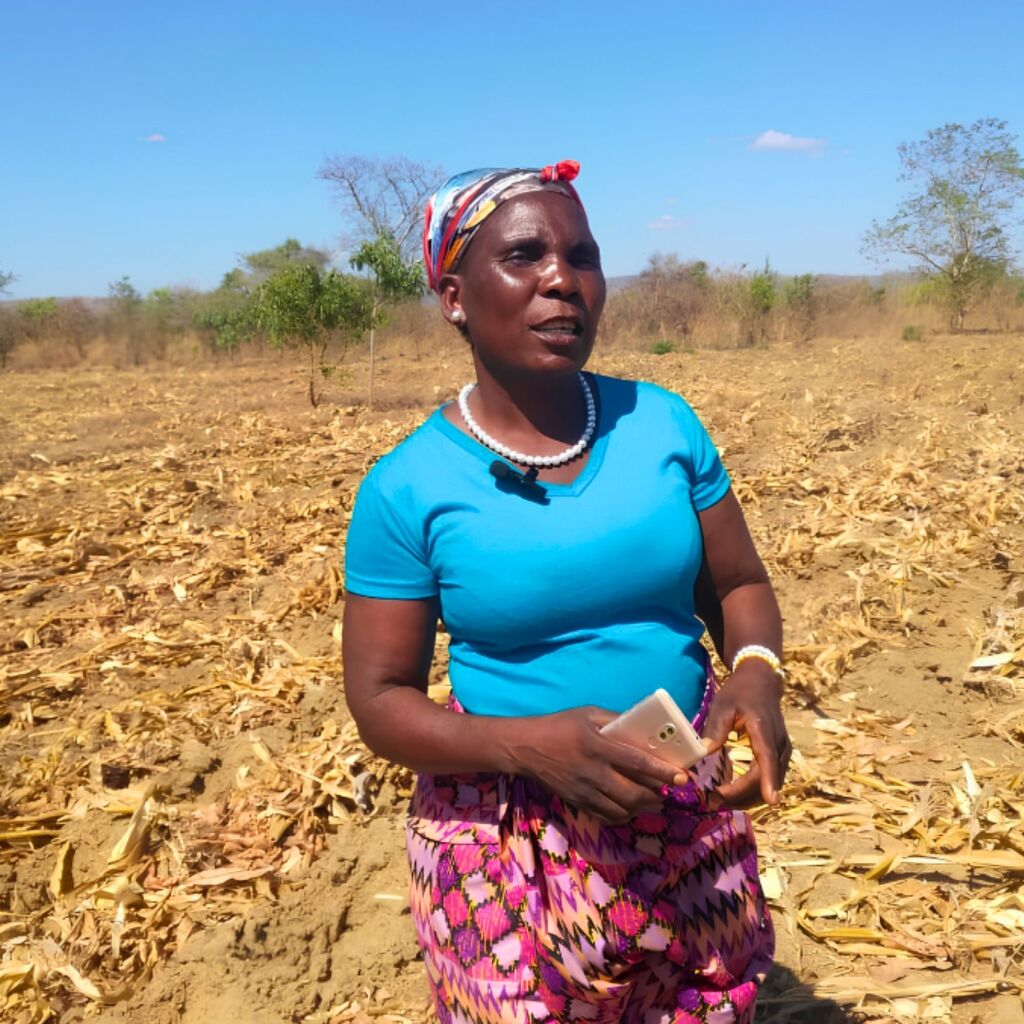
A few kilometres away at Chawola Agricultural Camp, conservation farming is helping farmers withstand the effects of climate change. Among them is Joyce Mumba, whose fields remained productive during the severe drought that affected many farmers during the 2023/2024 farming season.
Using mulching, locally known as “Gamphani”, Joyce covers her fields with crop residues to retain soil moisture and reduce water loss. “While many farmers lost their crops because of the drought, I managed to harvest enough because of conservation farming,” she says.
Joyce has also embraced indigenous seed varieties, which are naturally adapted to local conditions and can survive with less rainfall. Combined with organic farming methods, the seeds have enabled her to achieve good yields despite challenging weather conditions.
Another farmer, Matildah Phiri, says conservation farming has provided her family with food security and additional income.
“Planting indigenous maize seed and practicing conservation farming helped me harvest enough maize for my household and for sale. These methods are helping us cope with climate change.” – Matildah Phiri, smallholder farmer, Chawola Agricultural Camp
Share this story with your network: