Climate change is making farming more expensive, and farmers are being left behind
By Thozama Dilata, South Africa
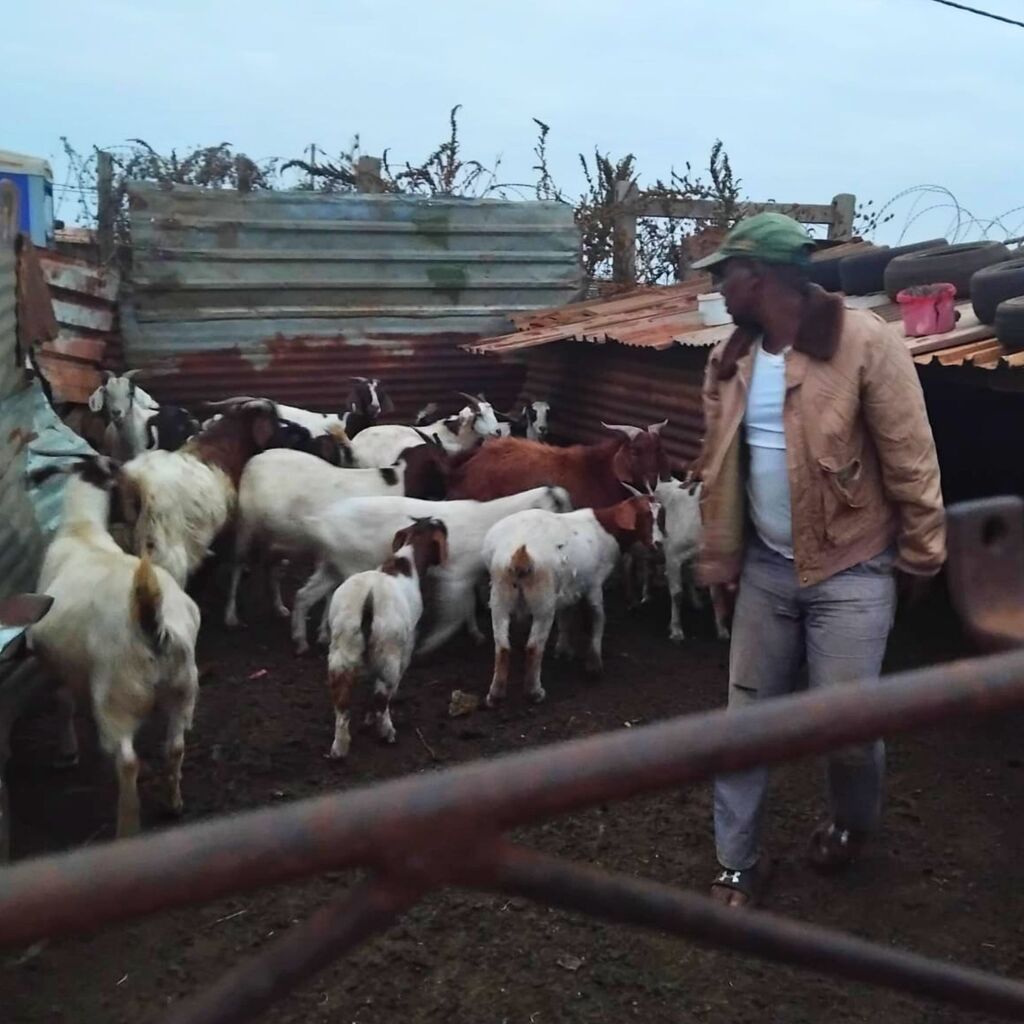
When Oscar Dumakude bought his first goat in 2016, he did not expect climate change to become one of the biggest threats to his livelihood. From his home in Vilalisa, Vosloorus, South Africa, Dumakude has built a small livestock farming operation through determination and self-learning.
What began with the sale of 10 chickens to buy his first goat has grown into a source of income and pride. Today, however, farming is becoming increasingly difficult. Standing next to a kraal he built himself, Dumakude explains how changing weather conditions are affecting his animals. “The goats get sick when the seasons change,” he says. “I have to buy injections and vaccinations myself. The cheaper ones cost around R200, but the better ones start at R500.” His biggest concern is feed. “The feed used to cost about R40. Now it costs more than R100,” he says.
For Dumakude, hotter temperatures and recurring dry conditions have made it harder to find affordable feed and maintain healthy livestock. Every increase in costs places additional pressure on a small operation already working with limited resources.
His experience reflects a broader challenge facing many small-scale farmers across South Africa. Climate scientists have warned that rising temperatures, more frequent heatwaves and increasingly erratic rainfall patterns are likely to place growing pressure on food production and livestock farming. For livestock farmers, these changes can reduce the availability and quality of grazing, increase feed costs and create conditions that make animals more vulnerable to stress and disease.
Despite government efforts to promote climate adaptation in agriculture through Climate Smart Agriculture programmes, drought-relief initiatives and extension services, many small-scale farmers say they struggle to access support.
“When I was younger, government knew where the farmers were; there was assistance with things like vaccinations. Now it feels like only people with connections get help.” – Oscar Dumakude, smallholder livestock farmer
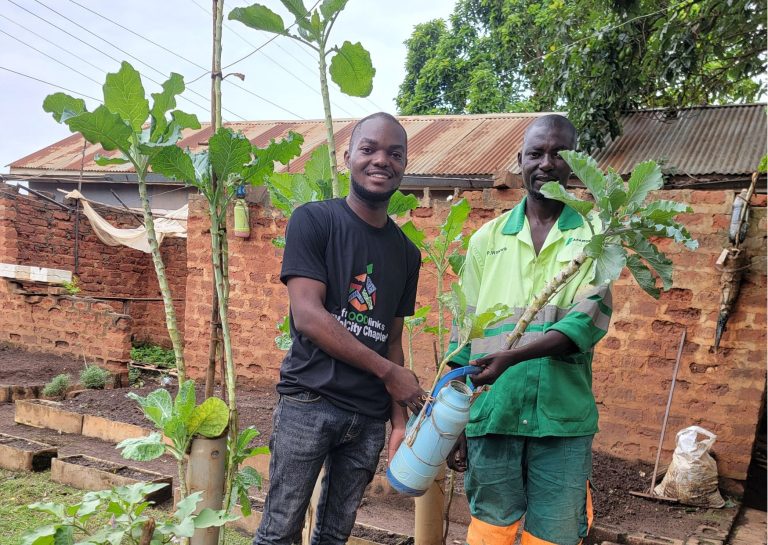
About 30 kilometres away, in Johannesburg, farmer Solomon Mabhengeza is responding to the climate challenge differently… Mabhengeza, who runs Sun Mabhengeza Farm, has embraced permaculture principles that focus on building healthy soils, conserving water and working with natural ecosystems. “The extreme heat is becoming challenging even for drought-resistant crops,” he says.
His approach is based on improving soil health and water retention, making crops more resilient during periods of extreme heat and low rainfall. “We have managed to survive by observing and working with nature,” he says. Advocates of regenerative agriculture and permaculture argue that these methods can help farmers adapt to climate change by improving soil fertility, reducing water loss and strengthening resilience to drought.
Experts caution, however, that adaptation cannot depend solely on individual farmers. Small-scale producers often require access to training, financing, technical support and climate information if they are to successfully adapt to worsening climate conditions.
For Dumakude, climate change is no longer an issue discussed only by scientists and policymakers. It is reflected in the rising cost of feed, the health of his livestock and the uncertainty that comes with every new season. Despite the challenges, he remains committed to farming. “We are trying our best,” he says. “But we need support if we are going to keep farming.”
As South Africa confronts a changing climate, the experiences of farmers like Dumakude and Mabhengeza highlight both the growing risks facing small-scale agriculture and the urgent need for adaptation support that reaches farmers on the ground.
Register on the KCOA digital knowledge platform to access organic, permaculture and agroecological knowledge products to support “working with nature” like farmer Solomon Mabhengeza.
Share the story with your community: