
WYNA: growing women and youth leaders for agroecological futures in Africa
Across Africa, women and youth are playing a critical role in agriculture, food systems and community development. Yet despite their energy, innovation and growing involvement, many still face significant barriers to meaningful participation and leadership.
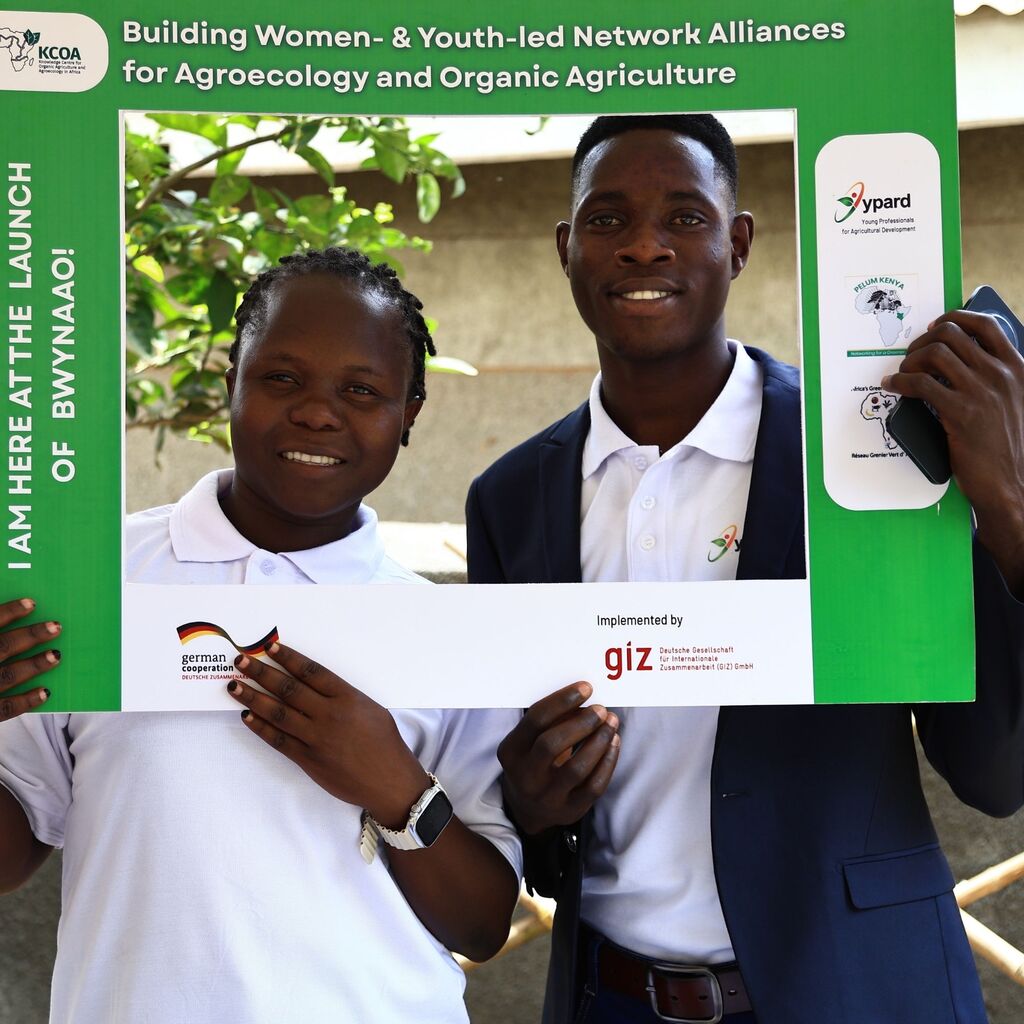
Barriers include access to knowledge, mentorship, financing and policy spaces. With nearly 60% of Africa’s population under the age of 25 and women making up almost half of the agricultural labour force, investing in inclusive leadership and opportunities for women and youth is essential for building resilient and sustainable food systems. Underrepresentation of these groups in decision-making and leadership positions places further challenges in their way.
At the same time, there are several projects and initiatives across the continent that aim to tackle these challenges. Collaborative action through strong values-driven networks that promote existing initiatives instead of necessarily creating new projects is key to strengthening their impact. The Building Women- and Youth-led Network Alliances for Agroecology and Organic Agriculture (WYNA) Programme was designed with this underlying principle. Launched in September 2025 at an agroecological farm in Entebbe, Uganda, every activity related to the WYNA is intentional in strengthening alliances among complementary women- and youth-led networks across Africa.
Through WYNA, network alliances such as KCOA, YPARD, PELUM Kenya and AGSN become powerful drivers of behavioral change and systemic transformation. Through mentorship, fellowships, WYNA Cafés, Community Solution Projects, farm tours and training opportunities, WYNA supports participants in deepening their understanding of agroecology and organic agriculture while also strengthening their leadership, advocacy and networking capacities. Be a part of the alliance: join women- and youth-led networks!
“Young people can drive meaningful change in local food systems when they work closely with communities and listen to their needs. Change takes collaboration, consistency and creating solutions that are practical and locally relevant.”
– Irene Wanjiku, WYNA intern with PELUM Kenya
WYNA Fellows’ Community Solution Projects
Communities are empowered to tackle their food systems challenges when young people are given the right mentorship, access to start-up resources and a platform to lead change. Across Africa, Community Solutions Fellows and Interns are turning ideas into impact by leading initiatives in organic farming, farmer training, youth advocacy and school nutrition.
Climate-smart agroecology & livelihood empowerment project | Kenya
As a WYNA intern with PELUM Kenya, Irene Wanjiku Gitau promotes climate-smart solutions in Nakuru through composting and water-efficient kitchen gardens. Using a train-the-trainer model, she helps communities strengthen food security, improve nutrition and build resilience to climate change.
She launched the project after seeing the challenges smallholder farmers and young people face in accessing sustainable livelihoods and agroecological knowledge.
Organic hibiscus drink project | Nigeria
Through her enterprise G-ACTIVE Drinks, Ezeofor Goodness is creating economic opportunities around organic hibiscus farming. By equipping 50 women and youth with skills in sustainable agriculture and eco-friendly soil management, the initiative enhances both productivity and environmental health. At the same time, it opens up market opportunities, turning hibiscus into a viable source of income and long-term community resilience.
Ezeofor notes that she has learned that young people have the power to drive meaningful change in local food systems when they combine innovation, consistency and community engagement.
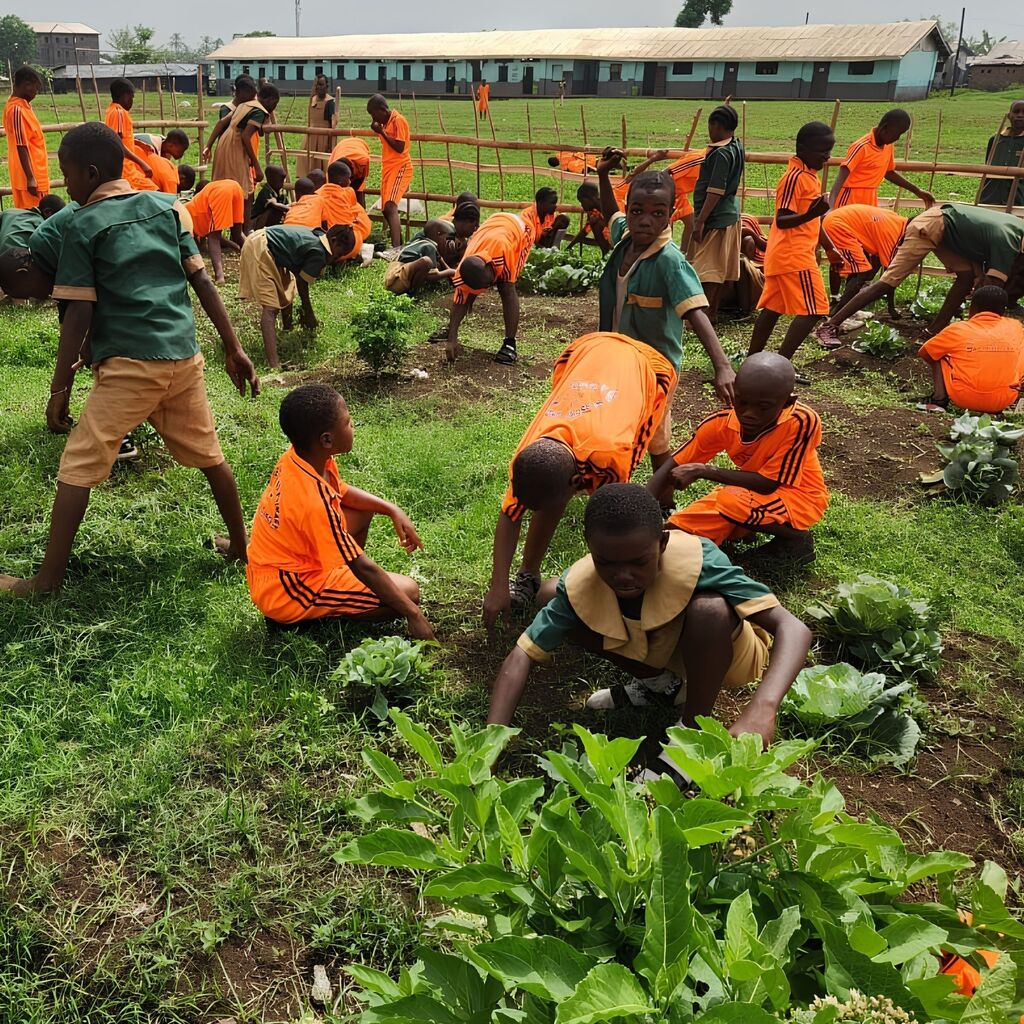
Kids4Agroecology (K4A) | Cameroon
In Tiko, Tabe Barndon introduces agroecology to the next generation through school gardens and student-led clubs. Through the Kids4Agroecology project, children gain hands-on experience in food production, contribute to school meals and build an early understanding of the links between agriculture, nutrition and sustainability. Tabe believes the next global crisis will be hunger and malnutrition, making practical agriculture an essential part of every learner’s education.
“I founded Kids4Agroecology not just to teach children about farming, but to completely shift their mindsets regarding agriculture and food systems. If it feeds us, it deserves our time and absolute dedication.”
– Tabe Barndon, Kids4Agroecology, Cameroon
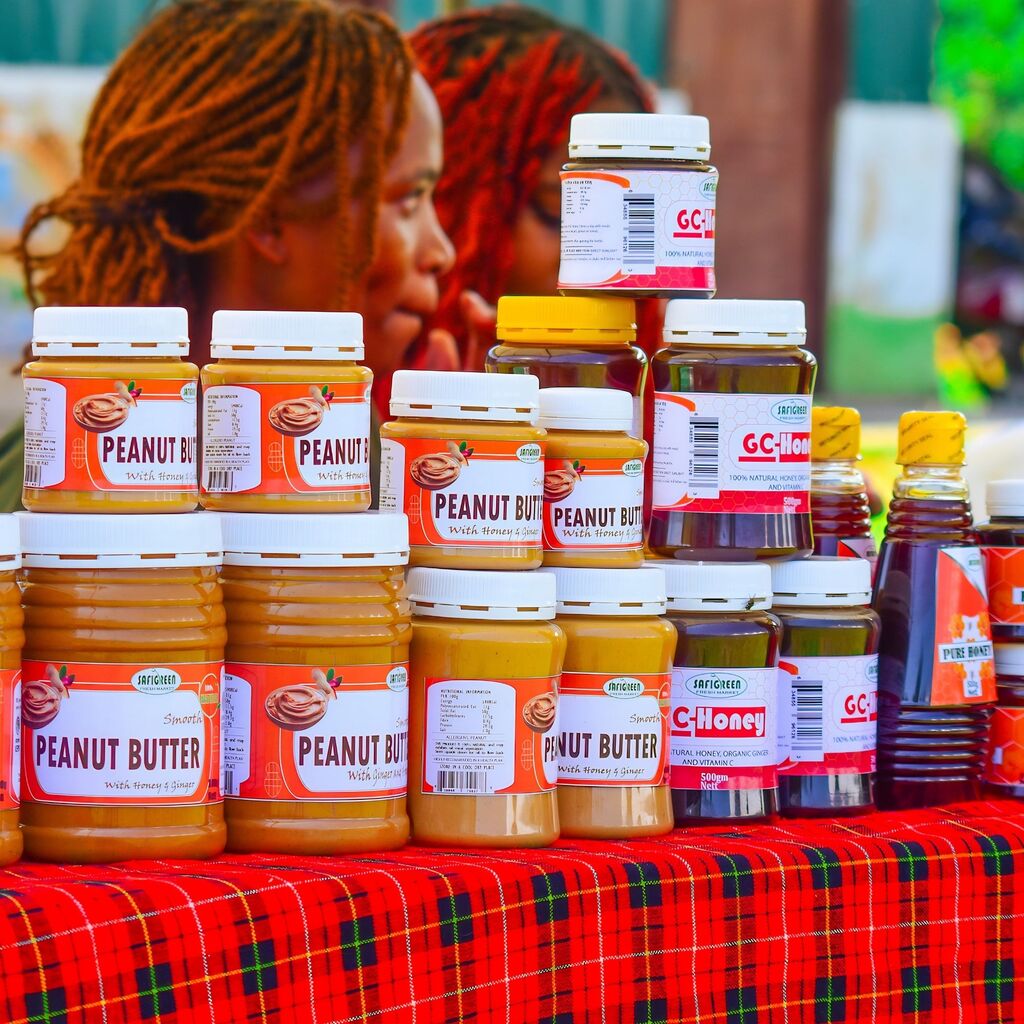
Sustainable groundnut supply chain | Kenya
During Covid-19, Harriet Amondi realised the several challenges that farmers in Kisumu were facing. Her initiative Dolcestar Africa combines climate-smart agriculture with practical support such as access to quality inputs and training for groundnut production.
Beyond production, the project strengthens market connections and promotes value addition through locally produced peanut butter, helping farmers secure better prices while improving food quality and community livelihoods.
Harriet notes that she has learned that real change in local food systems comes from combining innovation with persistence and collaboration; she can make a bigger impact by linking production, processing and markets instead of focusing only on farming.
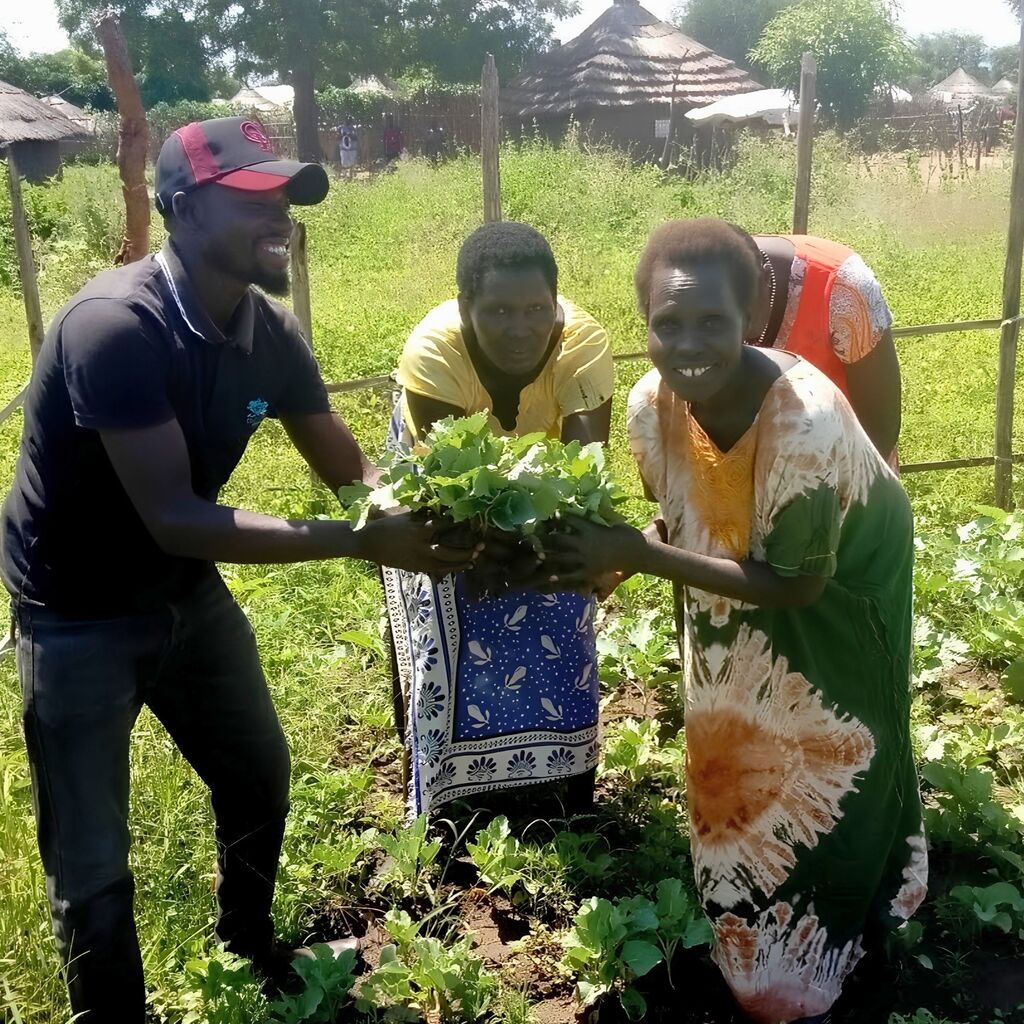
Growing together mushroom project | Uganda
In Adjumani, Henry Anyama is promoting simple yet impactful solutions such as oyster mushroom cultivation. Using agricultural waste as a resource, the project engages entire households in income-generating activities. It not only improves nutrition and livelihoods, but also addresses youth unemployment and environmental sustainability through low-cost, circular farming practices.
His inspiration came from the need to promote sustainable agriculture, create income opportunities for young people and improve household nutrition through mushroom production using locally available materials. He hopes that this project will address unemployment and food and nutrition insecurity.
Share this story with colleagues and friends using the buttons below: