Balancing livelihoods and landscapes: Zimbabwe’s response to deforestation
By the Zimbabwe Forestry Commission
Zimbabwe is losing forests at an estimated 262 000 hectares each and every year.
Driven by energy demand, tobacco curing and expanding settlements, deforestation is undermining water security, biodiversity and climate resilience. What appears as short-term survival carries long-term ecological costs. Primary drivers of deforestation in the country are the energy-intensive tobacco industry, increasing charcoal production to meet domestic energy demand and the rapid expansion of human settlements.
Tobacco production is responsible for an estimated 20% of deforestation...
This important economic industry that generates about USD900 million a year comes at a significant environmental cost. Most growers are small-scale farmers that lack access to alternative energy sources to cure their tobacco, which requires significant volumes of wood to generate the necessary heat, and are not in a position to establish or to manage private woodlots. In many tobacco-growing regions, farmers have exhausted local timber supplies and are now encroaching on communal forests, disadvantaging communities who rely on them for subsistence. The pressure has become so intense that trucks can be seen transporting illegal firewood from non-tobacco growing regions, as forest depletion spreads outward.
Energy scarcity is growing and driving unsustainable use of forests…
More than 90% of rural households depend on firewood, while urban reliance on wood-based energy is rising due to power shortages. Rapid commercialisation has fuelled large-scale charcoal production, often using inefficient kilns that consume five tons of wood to produce one ton of charcoal. Trees are treated as ‘free’, masking their true ecological cost. Producers can also spend days and nights working in hazardous conditions, often exposed to toxic fumes with no protection.
The rapid expansion of human settlements has led to the conversion of vast tracts of forest and wetlands into housing stands.
This is most visible in urban and peri-urban areas. Simultaneously, agricultural expansion further fragments habitats, replacing indigenous biodiversity with monocultures. There is thus an urgent need to integrate forest protection into national spatial planning.
Zimbabwe’s multifaceted response to this interlinked challenge of forest loss and energy needs
The Government of Zimbabwe, through the Forestry Commission, has enacted a range of measures and programmes to balance energy demand, ecological health and the financial gains necessary for its economy. It established the Afforestation Fund, which deducts 1.5% from tobacco sales to finance reforestation through the Tobacco Wood Energy Programme. Under this programme, farmers can obtain tree seedlings for free and receive advisory services on establishing woodlots of fast-growing species. Partnerships between the Forestry Commission and agencies working with tobacco farmers have been instrumental in encouraging farmers to view their fuel wood requirements as equally important as seed or fertiliser. There is also a clear need for investment into more energy-efficient technologies like ‘rocket barns’ and improved furnaces that can reduce wood consumption by 50% compared to traditional barns.
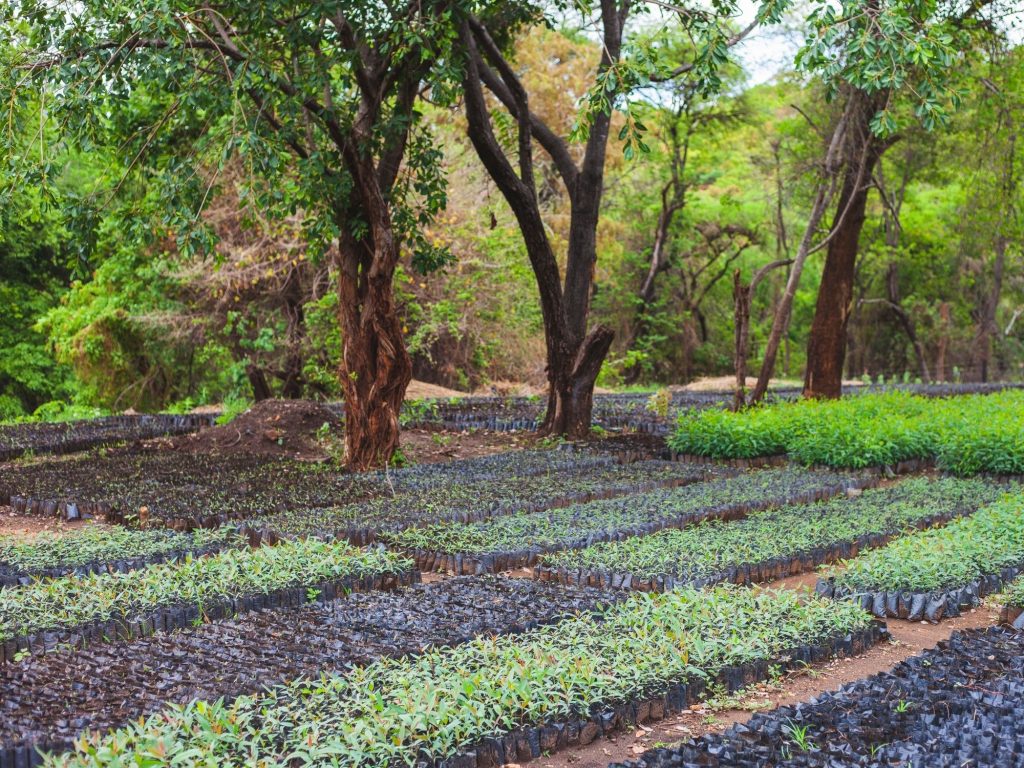
Restoration programmes are being rolled to promote woodland management, including assisted natural regeneration and targeted tree planting. The GEF-7 Sustainable Forest Management Impact Program on Dryland Sustainable Landscapes supports forest and land management in the miombo and mopane landscapes of the Runde and Save river basins. This entails managing degraded land to allow trees to regrow from stumps and roots, supported by silvicultural practices such as pruning, thinning and invasive species removal.
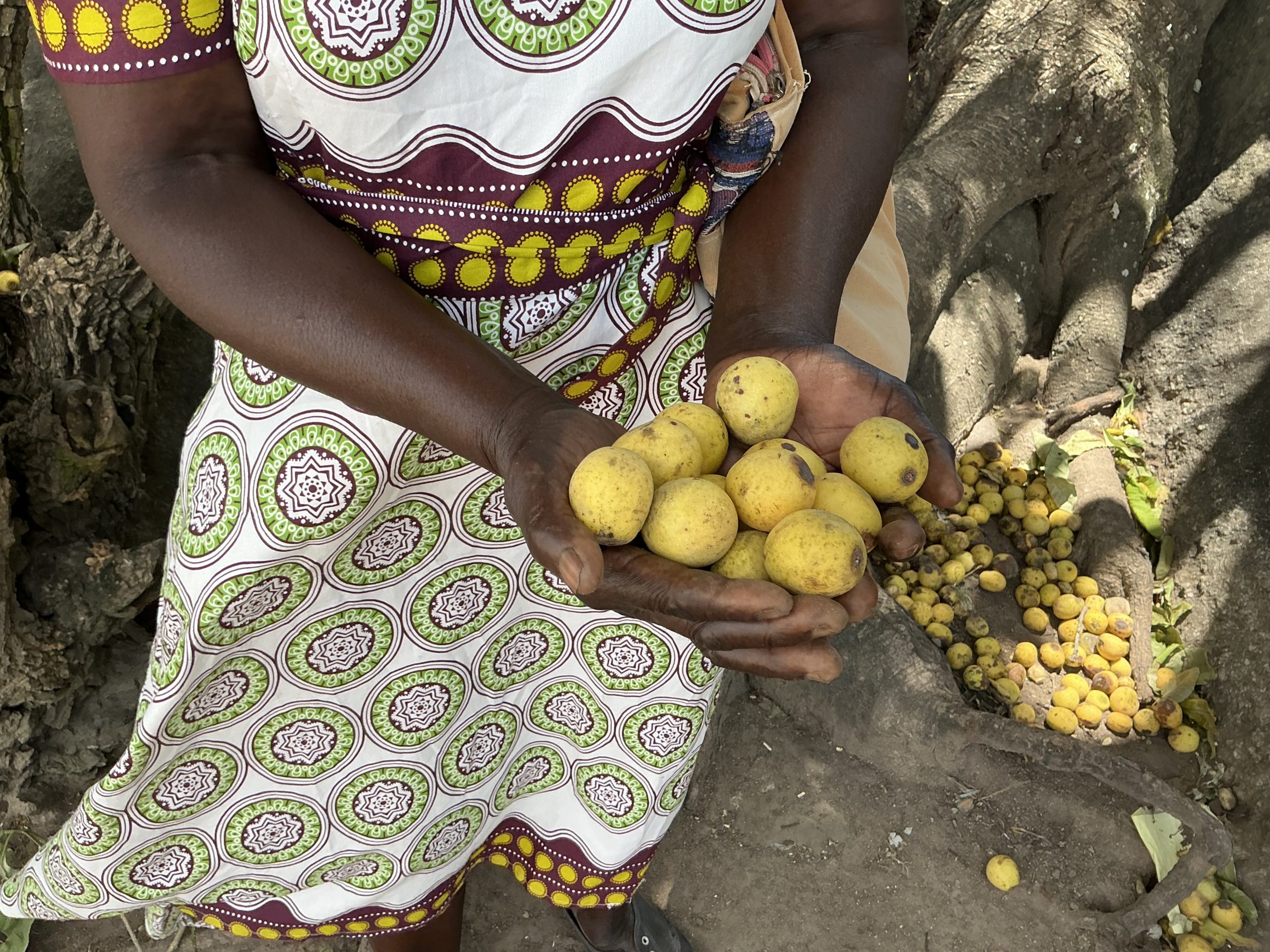
The programme also facilitates conservation works such as silt traps, gabions and contour ridges to control soil erosion following forest loss. There is a strong desire to also restore and protect woodlands so that they can continue to play their role as social safety nets for local communities, through wild harvesting and localised processing, such as for marula.
In Zimbabwe, forests have the potential to contribute to livelihoods and poverty reduction, but only if they are used sustainably.
This requires coordinated action among traditional leaders, local authorities, regulatory agencies, the private sector, and communities. Government and stakeholders have agreed on globally recognised sustainability principles to ensure Zimbabwe remains a green and ecologically productive nation.
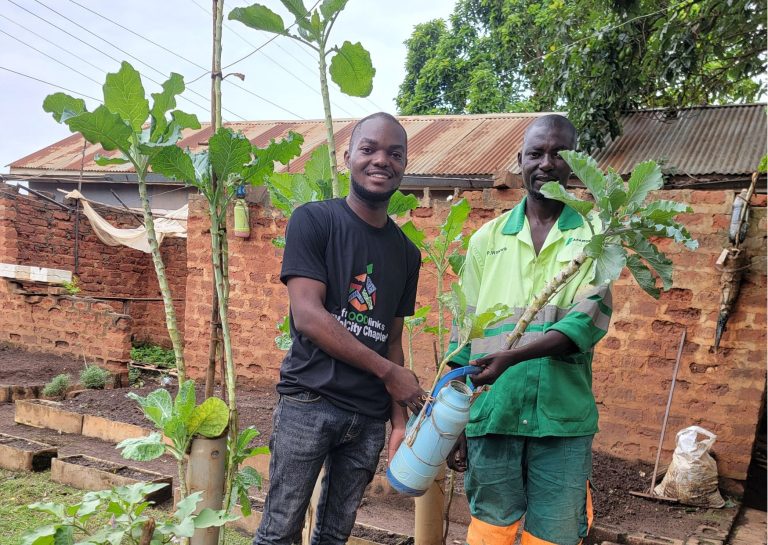
Top image: Alternative livelihood options being supported. Credit: Zimbabwe Forestry Commission. Middle image: Seed nurseries to support replanting. Credit: Zimbabwe Forestry Commission.