
From planting to restoration: A case study of community-led mangrove recovery in coastal bangladesh
By Tapas Kumar Mollick, SESDO Bangladesh, YPARD Bangladesh
Along the edge of the Sundarbans in coastal Bangladesh, communities live with cyclones, storm surges, erosion and increasing salinity. Through Mangroves4Life, SESDO is working with women, youth, coastal communities and the Munda community in Gabura, Satkhira, to restore degraded mangrove ecosystems through Community-Based Ecological Mangrove Restoration (CBEMR).
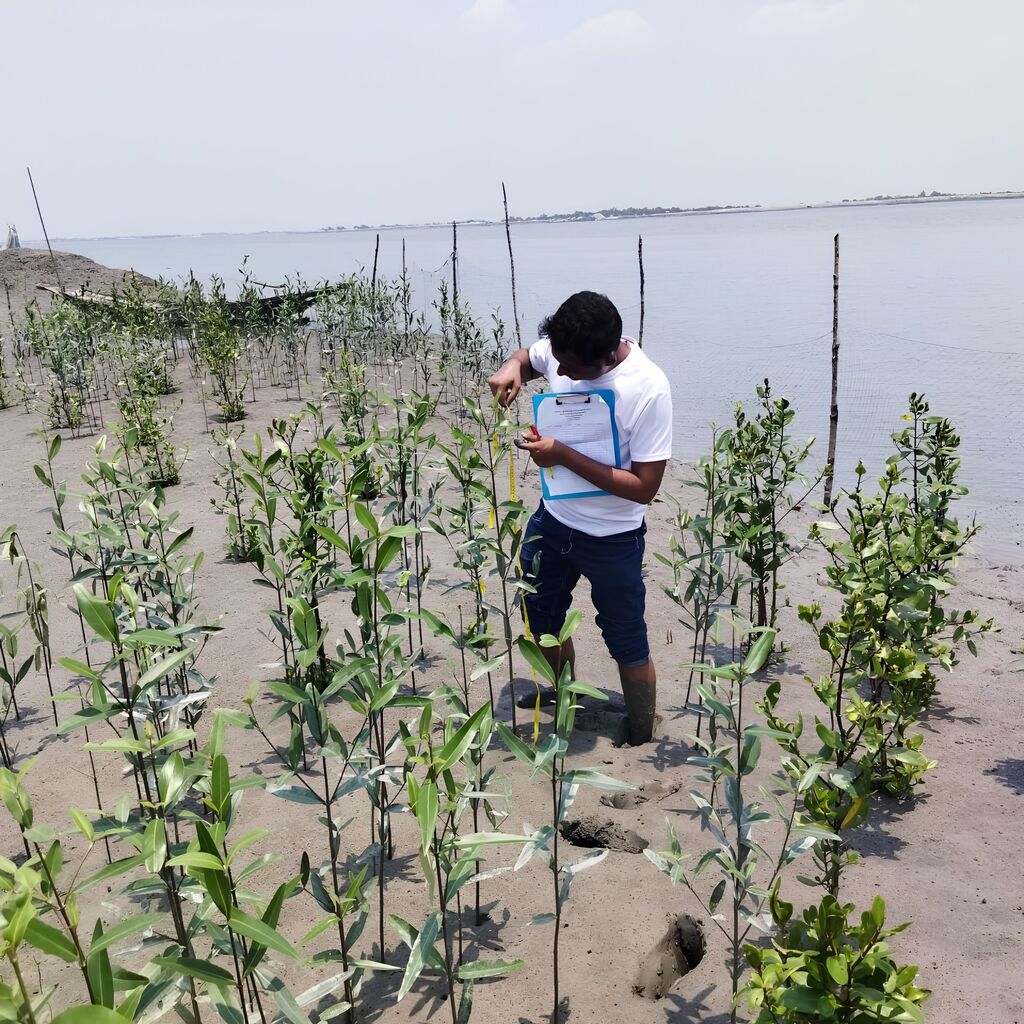
One of our most important lessons is that restoration should begin by understanding the ecosystem, not by deciding how many trees to plant. We prioritise natural regeneration first, assisted natural regeneration where needed, and gap-filling planting only where necessary. Hydrology, tidal flow, soil conditions, native species and local ecological knowledge guide each decision.
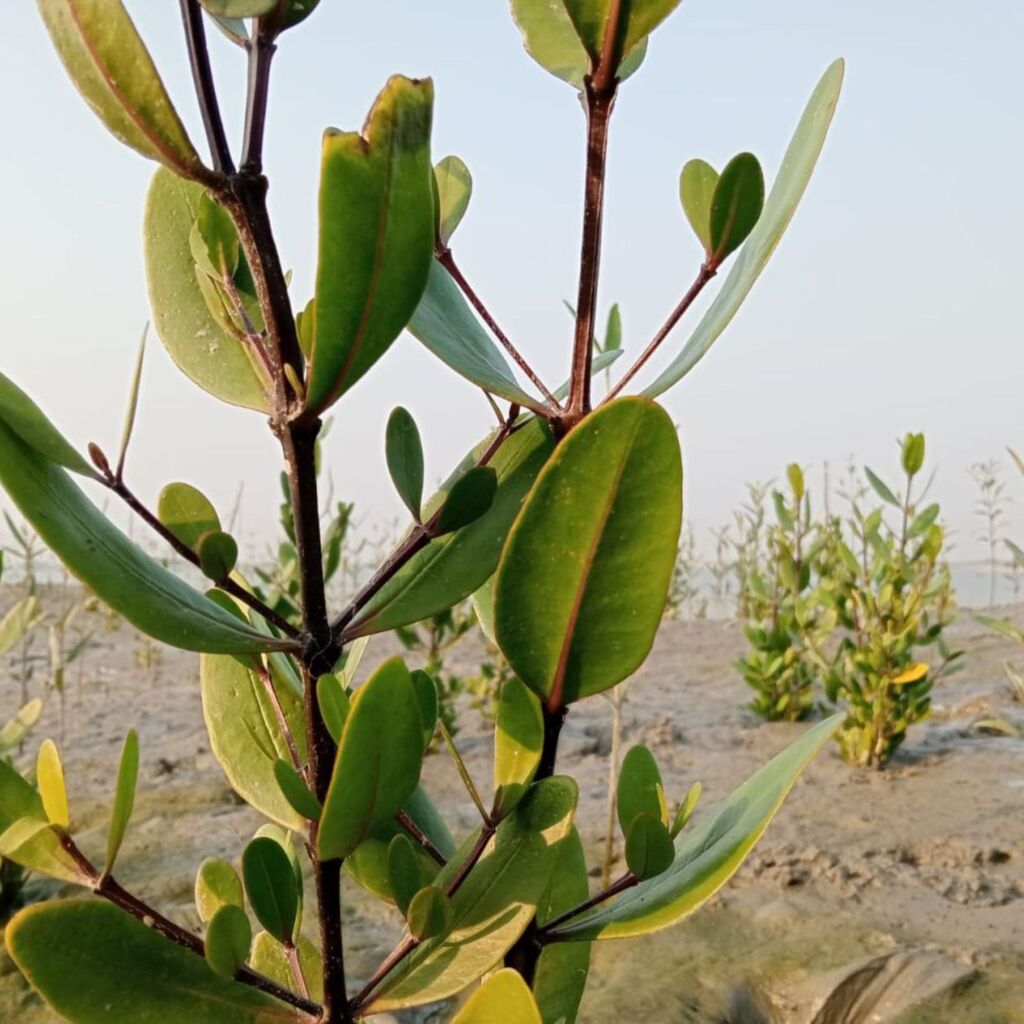
The experience has also shown us that community involvement cannot be added at the end. Local people are involved from planning and design through implementation, monitoring, stewardship and ownership. Two women-led nurseries are being established, including one led by Munda community women, supporting 5,000 and 2,000 native mangrove saplings respectively.
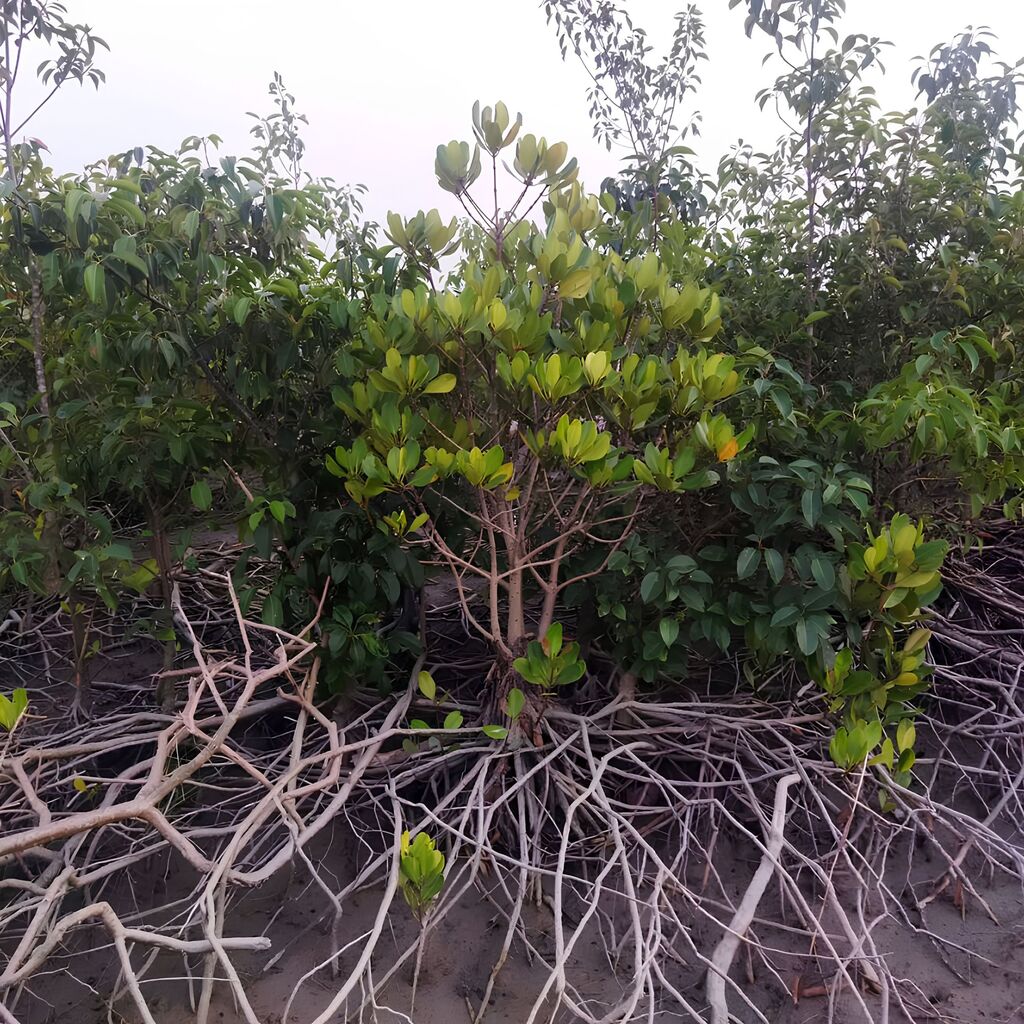
Our restoration journey began with a 1.29-hectare proof of concept in 2025 and has expanded to 3 hectares under Ma Earth support, alongside a further 0.5 hectares supported by the Green Earth Action Foundation, with youth engagement through YPARD Bangladesh.
For us, restoration is a long-term process. Sustainable livelihoods, alternative income opportunities and continued monitoring are essential for lasting stewardship.
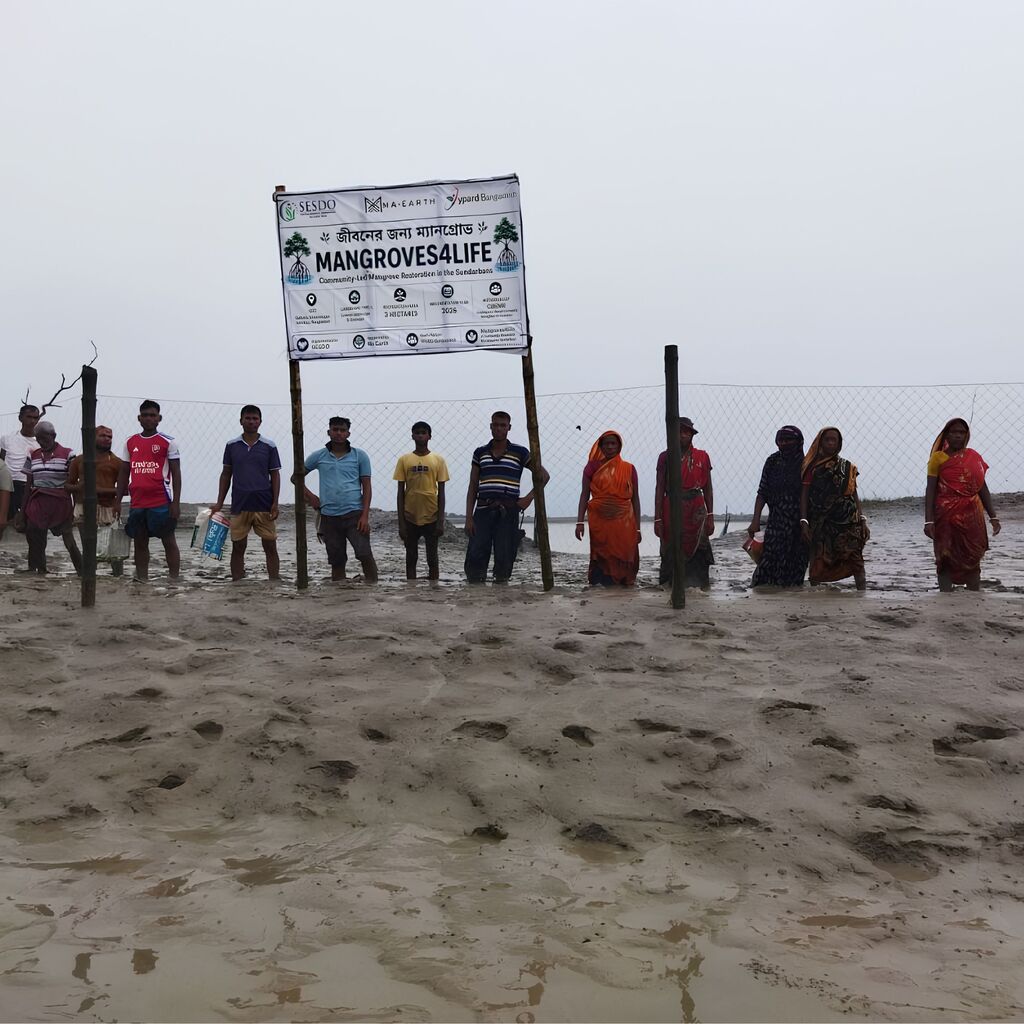
For coastal communities in other regions of the worls, our experience suggests a simple lesson: listen to the landscape, value local knowledge, and build restoration around community ownership rather than planting targets.
Share this story: