Madagascar’s organic revolution: Connecting farmers to the world
Summary provided by Fortunate Nyakanda, Editor-in-Chief
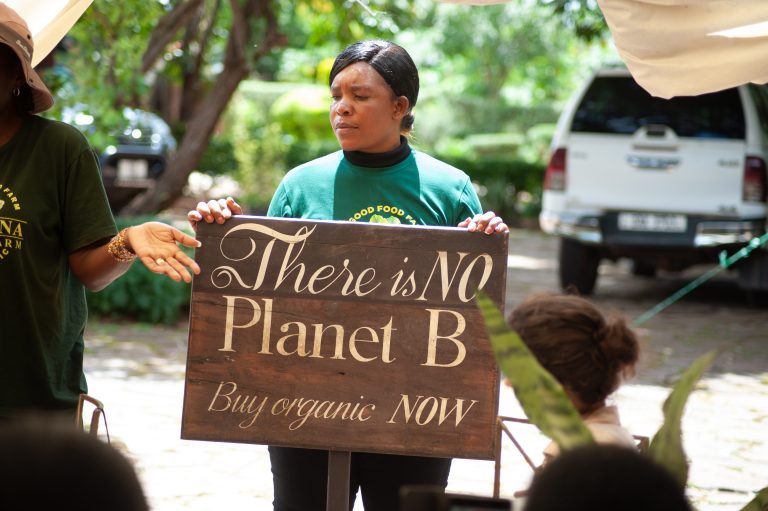
Madagascar’s farmers have been employing natural methods to develop their land for generations. using conventional wisdom instead of artificial insecticides and fertilisers. However, these smallholder farmers have long been unable to profit from the premium prices offered by international organic markets, even if they produce crops in ways that many international customers now appreciate most. Without formal accreditation, they had no way to provide international buyers with evidence of their sustainable practices.
That is now changing. Through a bold National Strategy for Organic Agriculture, Madagascar is transforming its organic sector into a catalyst for sustainable development. Led by the Ministry of Agriculture and Food Sovereignty, with technical support from the International Institute for Sustainable Development (IISD) and collaboration with the Syndicat Malgache de l’Agriculture Biologique (SYMABIO), the initiative is creating new opportunities for more than 60 000 farmers while protecting the country’s extraordinary biodiversity.
The strategy, launched in 2021 following the adoption of a new Organic Agriculture Law, provides the policy, regulatory and institutional framework needed to expand organic farming, strengthen value chains and increase exports of high-value products such as vanilla, cocoa, spices and medicinal plants. It also recognises Participatory Guarantee Systems (PGS), making organic certification more accessible and affordable for smallholder producers.
At the heart of the strategy is an innovative concept known as Territoires de l’Agriculture Biologique (TVABs) also known as organic territories where entire landscapes are managed according to organic principles.
By organising farmers into production clusters, these territories allow producers to share certification costs, access technical support, improve processing and collectively meet the quality and traceability standards demanded by international buyers.
The benefits extend far beyond trade. “These territories will contribute to inclusive local development by integrating local farmers into value chains. This will facilitate capacity building and secure sustainable income sources for them,” explains Haintsoa Nirina Rakotomainty of Madagascar’s Ministry of Agriculture and Food Sovereignty.
The organic territories also help protect landscapes from chemical contamination while supporting ecotourism, local markets and environmental conservation. IISD has played a pivotal role in helping translate the government’s vision into action. From conducting policy and market analyses to developing implementation roadmaps and facilitating business partnerships, the organisation has supported Madagascar in positioning itself as a competitive player in the global organic marketplace.
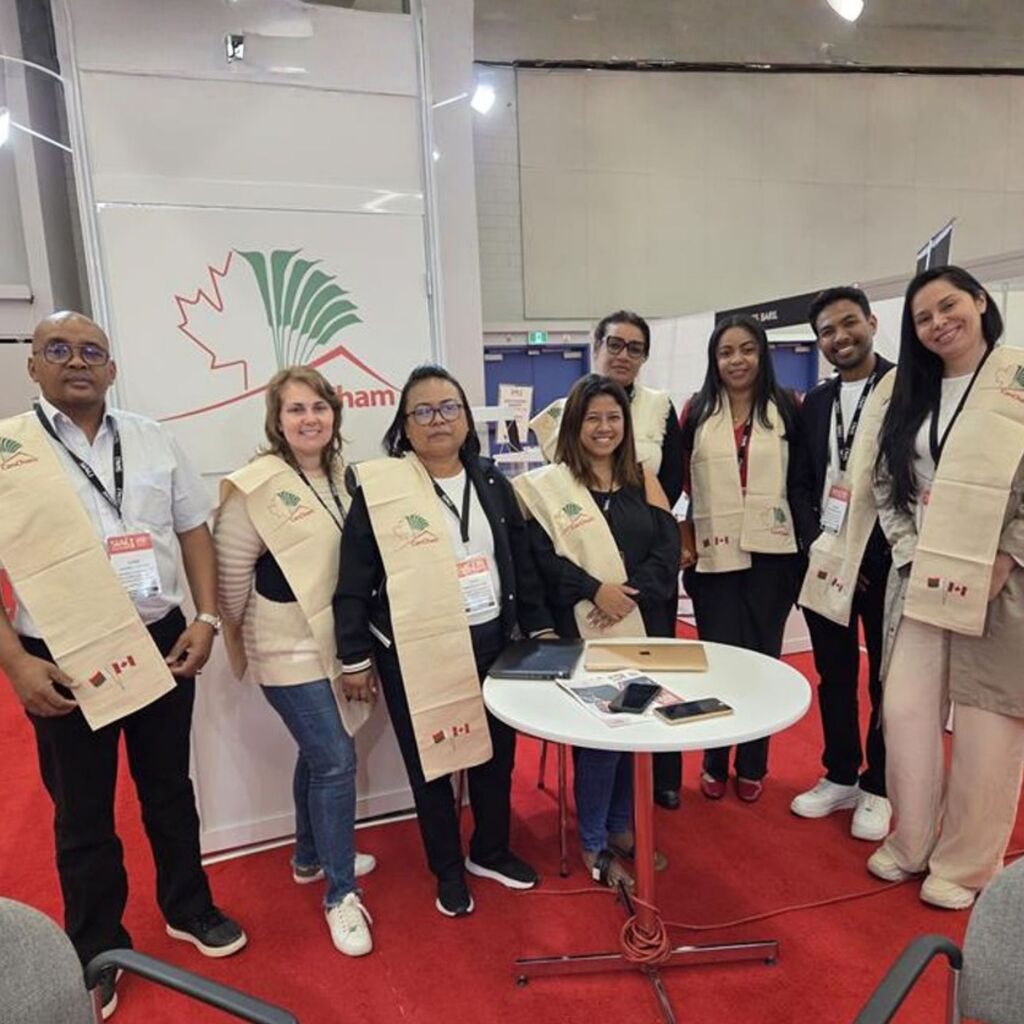
One notable achievement was the organisation of business to business meetings between Malagasy cocoa exporters and Canadian buyers. These direct engagements created valuable commercial relationships while strengthening confidence between producers and international markets.
As one Malagasy exporter observed, “The main advantage lies in the trust and reliability they help build between buyers and suppliers. They provide a reassuring environment in which to establish an initial point of contact.”
The results are already impressive. Between 2020 and 2024, Madagascar’s organic farmland expanded from just over 103 000 hectares to nearly 170 000 hectares, while the number of organic producers increased from approximately 54 000 to more than 62 000. Challenges remain, including strengthening certification systems, mobilising investment and helping producers comply with evolving international regulations such as the European Union’s deforestation requirements. Yet Madagascar’s experience offers an inspiring lesson: when governments, farmers and development partners work together, organic agriculture can become far more than an environmental choice, it can be a powerful engine for inclusive economic growth, resilient rural livelihoods and sustainable trade.
Read more here.
Keep the conversation going by sharing this story: