
Too much lost, too many hungry: Africa’s food waste challenge
By Staff writer
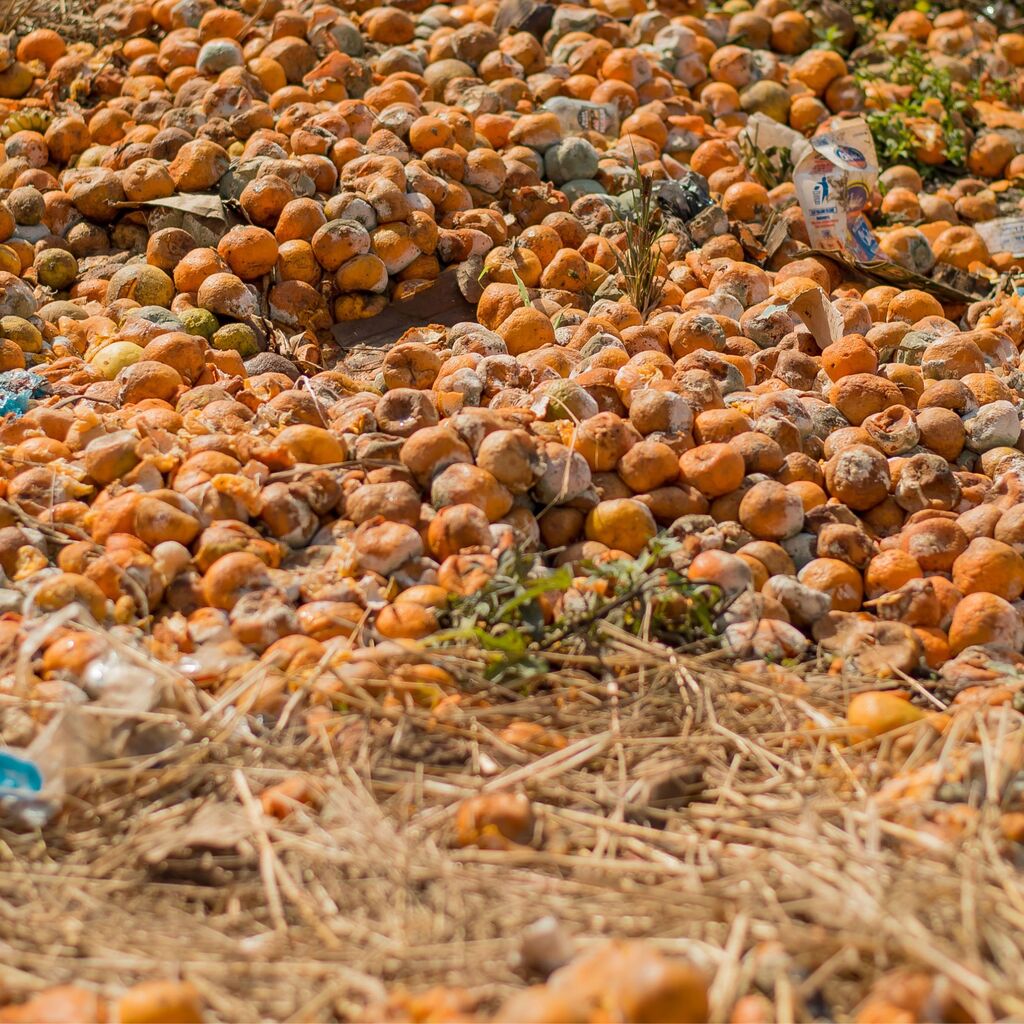
Food loss and waste undermine food security, farmer livelihoods and environmental sustainability across Africa. While much attention focuses on consumer behaviour, significant quantities of food are lost before reaching markets due to inadequate storage, processing and transport infrastructure, limited market access and unequal relationships within food value chains.
Food loss generally occurs between harvesting and retail, while food waste occurs at retail, food service and household levels. Addressing both requires interventions across the food system.
Key facts and figures
- 23% of food is lost in sub-Saharan Africa between harvest and retail, compared with a global average of 13.3% (FAO, 2025 estimates for 2023).
- Approximately 10 million tonnes of food are lost or wasted annually in South Africa, equivalent to roughly one-third of national food production, according to WWF’s 2017 study.
- 1.05 billion tonnes of food were wasted globally in 2022 at household, food service and retail levels (UNEP, 2024).
- 8–10% of global greenhouse gas emissions are associated with food loss and waste (UNEP, 2024).
These figures use different definitions, methodologies and reporting periods and should not be directly compared.
What drives food loss and waste?
Research by WWF, FAO and the World Bank identifies several interconnected drivers:
- Infrastructure gaps: Inadequate storage, refrigeration, processing facilities and transport contribute to food deterioration, particularly for perishable produce.
- Market inequalities: Limited buyers, unpredictable demand, low farmgate prices and strict quality requirements can leave edible food unsold or unharvested.
- Limited local processing: Farmers and traders often lack affordable facilities to preserve surplus food or transform it into products with longer shelf lives.
- Climate pressures: Heat, droughts, floods and changing weather patterns increase spoilage risks and disrupt supply chains.
- Poor coordination: Weak connections between producers, traders, processors and retailers contribute to delays, oversupply and avoidable losses.
- Retail and household practices: Purchasing habits, food storage, portion sizes and the management of surplus food contribute to waste.
Opportunities for agroecological food systems
Agroecology offers opportunities to reduce food loss and waste by strengthening local food systems, farmer knowledge and more equitable markets.
Five priority interventions are:
- Strengthen local and territorial markets. Improve connections between producers, consumers, traders and public institutions to create more reliable outlets for food.
- Invest in decentralised infrastructure. Support affordable community-level storage, cooling, transport, drying, milling and preservation facilities.
- Support farmer organisations and collective action. Strengthen collective marketing, knowledge sharing and access to appropriate post-harvest technologies.
- Integrate post-harvest management into agricultural extension. Include harvesting, handling, storage, processing and marketing in agroecology training programmes.
- Promote circular resource management. Prioritise preventing food loss and redistributing edible surpluses, while composting or otherwise recovering nutrients from unavoidable organic residues.
Although these approaches offer considerable potential, more context-specific research is needed to measure their effectiveness in reducing food loss and waste.
Policy priorities
The African Union’s Post-Harvest Loss Management Strategy provides a continental framework for action. Governments, development partners and civil society organisations should prioritise:
- Investment in locally appropriate infrastructure and technologies, particularly for smallholder farmers, women and informal traders.
- Integration of food loss reduction into national agricultural, agroecology, climate and food security policies.
- Stronger local and regional markets that improve farmer incomes and food accessibility.
- Better measurement of food losses across crops, countries and supply chains to guide investments and assess progress.
Key message
Reducing food loss and waste is not simply about producing more food or changing consumer behaviour. It requires transforming the systems through which food is produced, stored, processed, distributed and consumed.
Agroecological approaches can contribute to this transformation by strengthening farmer livelihoods, local markets, ecological sustainability and community resilience. Reducing food loss and waste should therefore be recognised as an integral component of food systems transformation, climate action and food sovereignty.
Help amplify African voices. Share this story: