
BMZ commits to be a reliable partner in food systems transformation
Isaac Mafuel (P4C Ambassador)
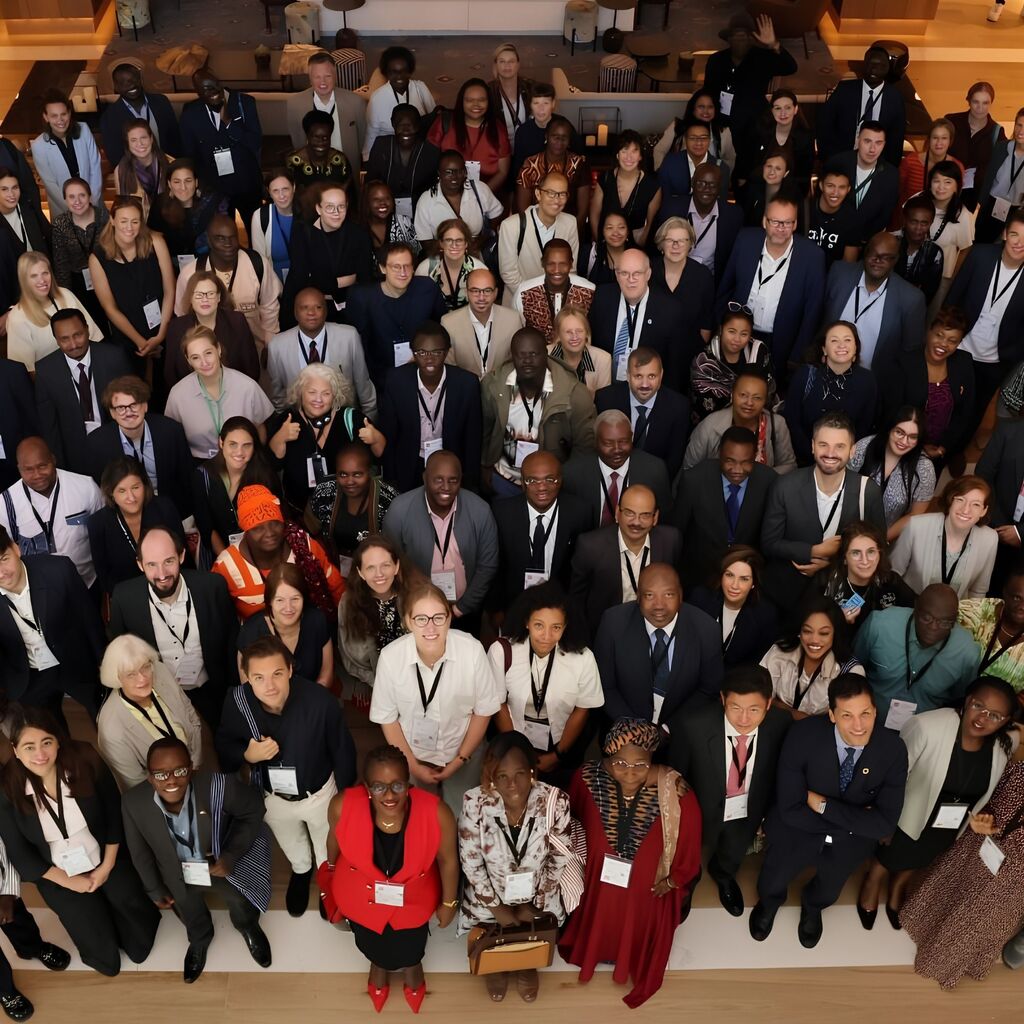
This past June, more than 35 advocates and policymakers from over 40 countries gathered in Berlin for the Partners for Change (P4C) Network Meeting, co-hosted by Germany’s BMZ and GIZ. This was more than just a conference, it was a deeply human effort to change how we grow, share, and protect our food, ensuring everyone can live with dignity.
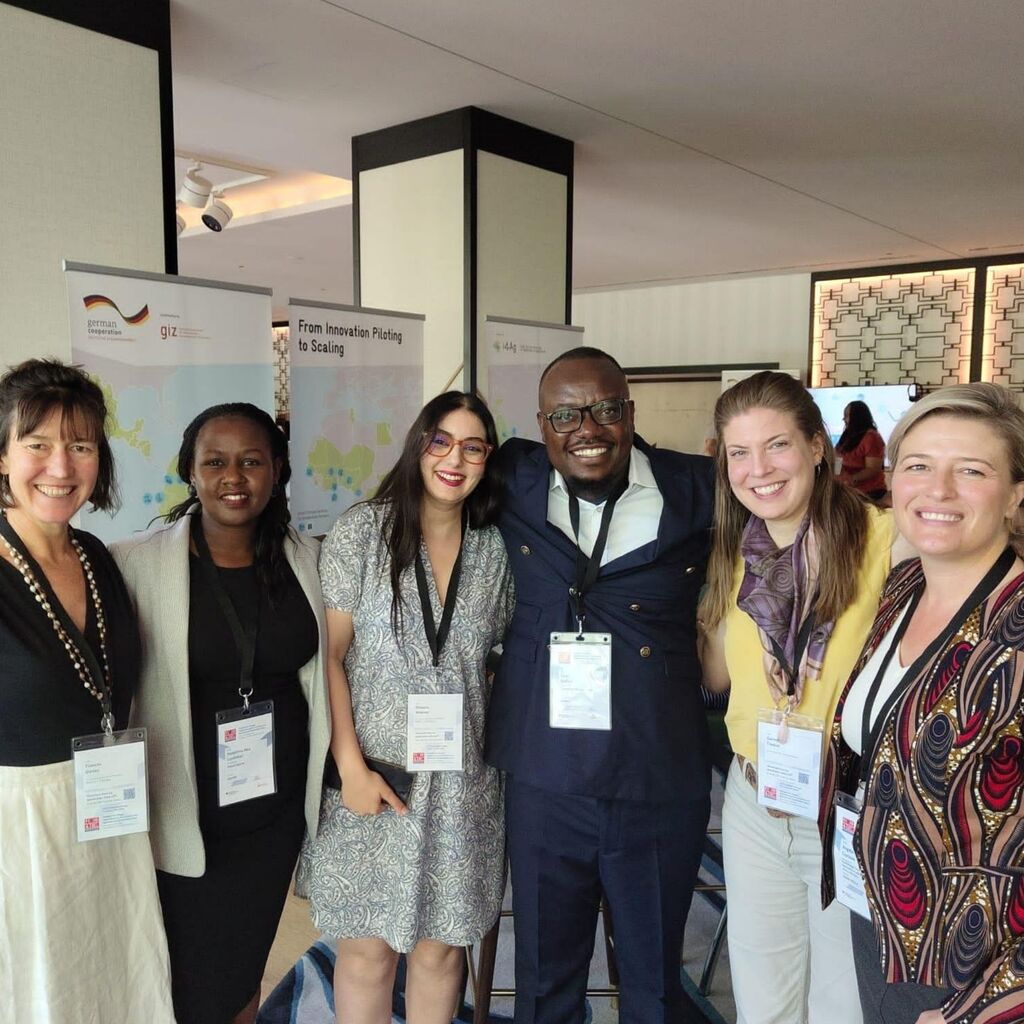
In her opening remarks, Constanze Neher, BMZ’s Director of Global Issues, Trade, Poverty and Inequality Governance, set a collaborative tone for the days ahead, reminding partners that the scale of our global challenges is simply too vast for any one group to tackle alone. “No single actor can address climate change, hunger, and poverty,” Neher shared. “It needs a joint, collaborative approach.”
Affirming the Ministry’s long-term dedication, she actively pledged BMZ’s ongoing commitment to being a reliable partner in the global food systems transformation agenda.
At its heart, the gathering was about the people living and breathing this work on the front lines.
Mary Njeri Karanu, a social justice and rural development advocate, reminded everyone that the decisions we make today directly impact the children of tomorrow.
For Karanu, the path forward starts with basic, unifying needs like restoring soil health and providing school meals. It is about keeping human rights at the very center of our choices.
Making these big ideas work in real life requires connecting global plans with local realities. Camara Castro, a P4C Ambassador, emphasized bringing regional agreements directly into national plans to help communities withstand climate and economic shocks.
The power of local connection was especially clear to Stacia Nordin, a permaculture dietitian from Malawi and a P4C Ambassador.
For her, the highlight was the final day when the Malawian delegation sat down to map out exactly how to bring these global ideas back to their home communities. It showed that real change happens when we translate high-level papers into local action plans.
As these advocates return home, the work shifts from Berlin’s conference rooms to the fields, schools, and local communities where it matters most. They return not just with strategies, but with a shared commitment to feed the world with care and respect. This sense of shared humanity and collective hope was echoed by Angela Coetzee, Director of the Knowledge Hub for Organic Agriculture and Agroecology in Southern Africa.
“I am inspired being in this room of passionate African leaders and feel a profound sense of shared purpose. We cannot fix a broken food system alone. It takes trusted partnerships, shared learning, and collective action.” – Angela Coetzee, Project Director, Knowledge Hub for Organic Agriculture and Agroecology in Southern Africa
Pass this story on to your network: