Waste less, feed more: South Africa’s Western Cape prepares for 2027 landfill ban
By Hannah Hopper, Mizizi Editorial Associate
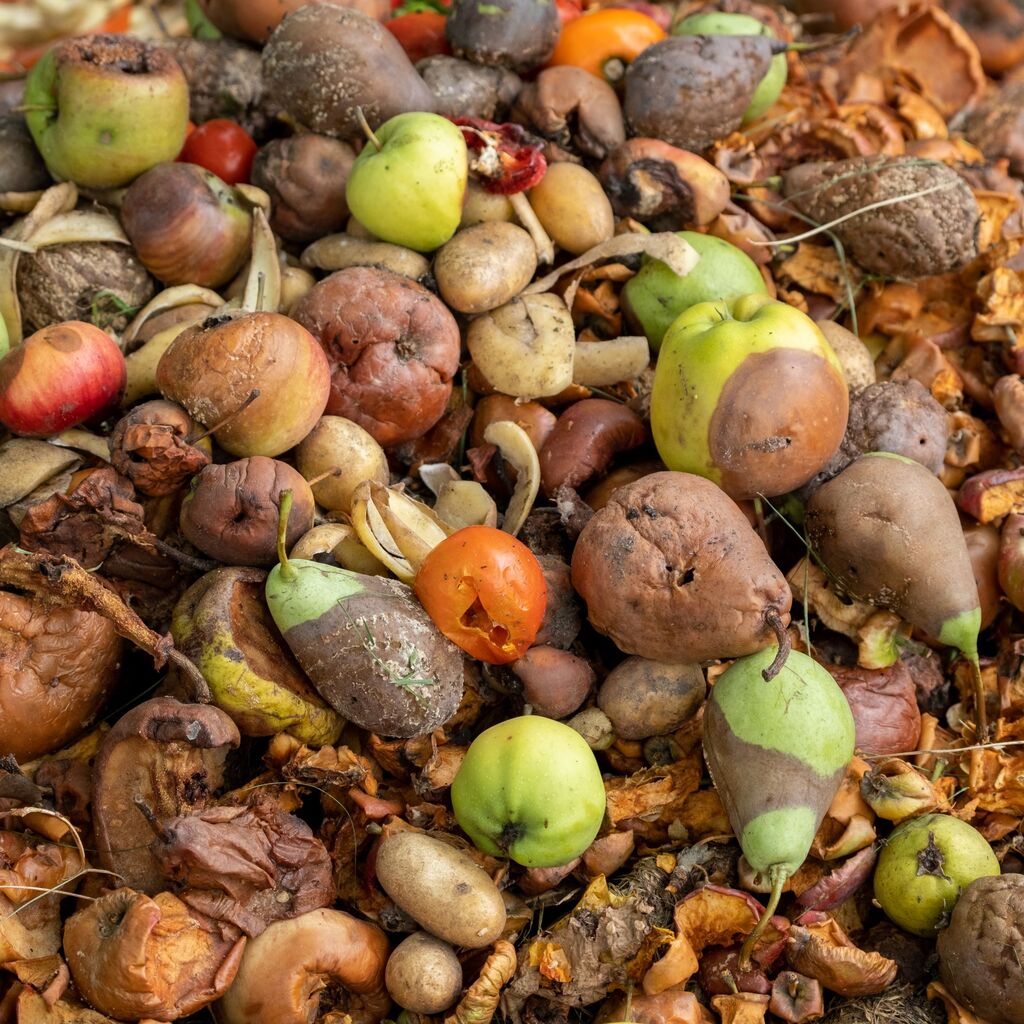
Around 10 million tons of food are lost or wasted in South Africa each year, while millions of people struggle to put food on the table. A new organic waste landfill ban in South Africa’s Western Cape province could help change how surplus food is managed.
From 2027, the province aims to divert 100% of organic waste from landfill. With approximately three million tons of organic waste generated annually, the target will require households, farmers, food manufacturers, retailers and municipalities to rethink how they manage organic waste and surplus food.
The environmental benefits could be significant. When food decomposes in landfills, it releases methane, a greenhouse gas with about 80 times the warming potential of carbon dioxide over a 20-year period. Wasted food also represents wasted land, water, energy and labour used in its production. Beyond reducing emissions, the policy also presents an opportunity to address another urgent challenge: food insecurity.
Much of the food lost across South Africa’s supply chain is still perfectly edible. Produce may be rejected because of its appearance, damaged packaging, overproduction or short shelf life. Meanwhile, millions of households continue to experience hunger.
FoodForward SA is working to bridge this gap. Through partnerships with farmers, manufacturers and retailers, the organisation recovers quality surplus food before it becomes waste. It then redistributes this food through a network of more than 2 200 vetted beneficiary organisations, reaching close to one million vulnerable South Africans daily.
The organisation is encouraging businesses to recognise food recovery as more than a charitable initiative. It can also form part of a responsible and sustainable waste management strategy.
Turning a challenge into opportunity
Meeting the 2027 target will require significant changes. In Cape Town, businesses generating organic waste must develop waste management plans outlining how they intend to reduce and divert waste from landfill. However, questions remain about whether sufficient infrastructure and processing capacity will be available, particularly for smaller businesses with limited resources.
These challenges could also encourage innovation. From food recovery and composting to biogas production and insect-based waste processing, there are growing opportunities to turn organic waste into valuable resources. The coming years could see new businesses, partnerships and locally developed solutions emerge as the province adapts to the regulations.
The Western Cape’s approach presents an opportunity to rethink a food system in which so much is discarded while so many go without. How businesses, communities and government respond to the 2027 deadline will be important to watch, particularly whether the transition leads to lasting improvements in food recovery, waste management and food security.
Sources: FoodForward SA; Western Cape Government; City of Cape Town; Cape Business News (2026).
The story doesn’t end here. Keep it moving: