
Magriza Made Me Cook: Where Zimbabwe’s Food Stories Live
By Odette Mavunga, Mizizi Staff writer
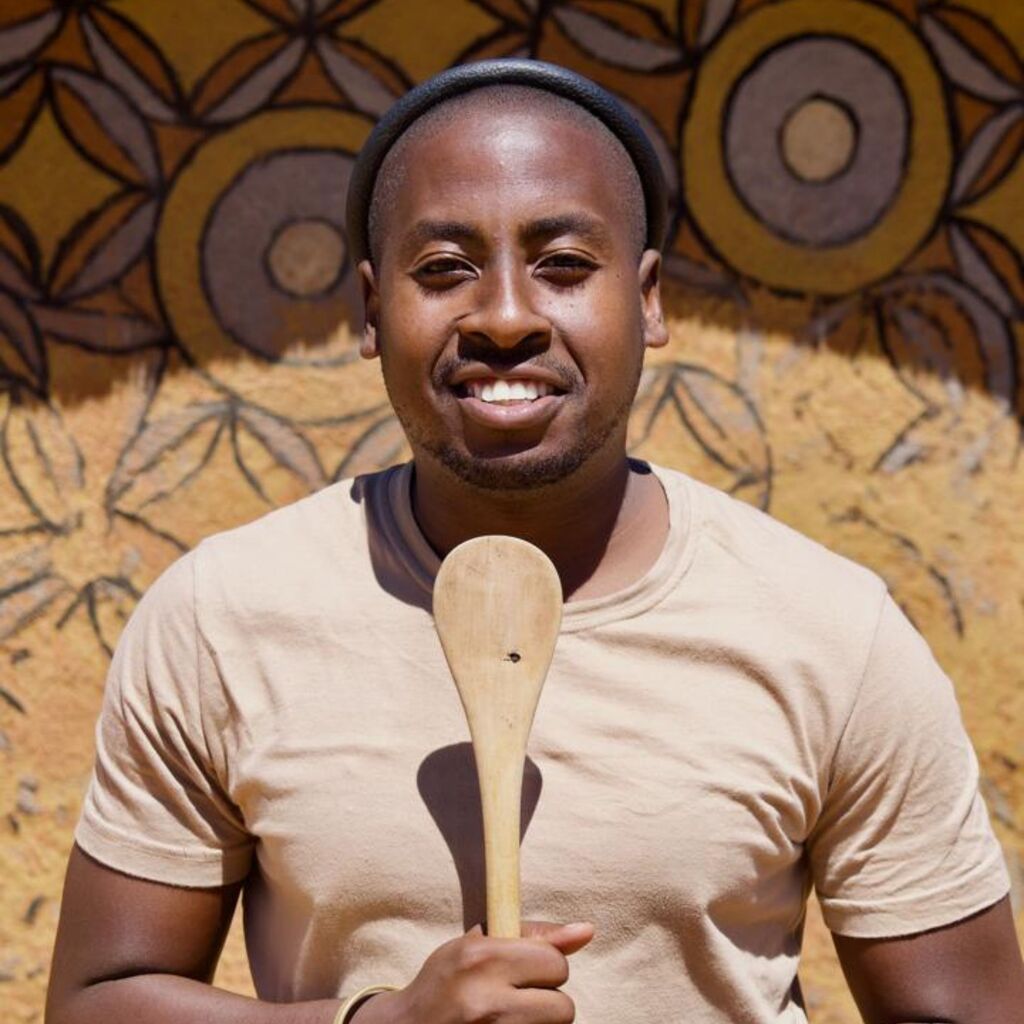
For Prince Sivalo Mahlangu, food is more than something to prepare and eat. It is a record of where people come from carrying their language, memories, beliefs and the knowledge of generations.
A chef, filmmaker and storyteller, Prince is the person behind Magriza Made Me Cook, a project inspired by his maternal grandmother. The name Magriza, meaning grandmother, is a tribute to the woman who first taught him to see food as part of a much bigger story.
“My grandmother showed us the value and impact of our indigenous foods,” he says. “She also showed me the link between storytelling and food.”
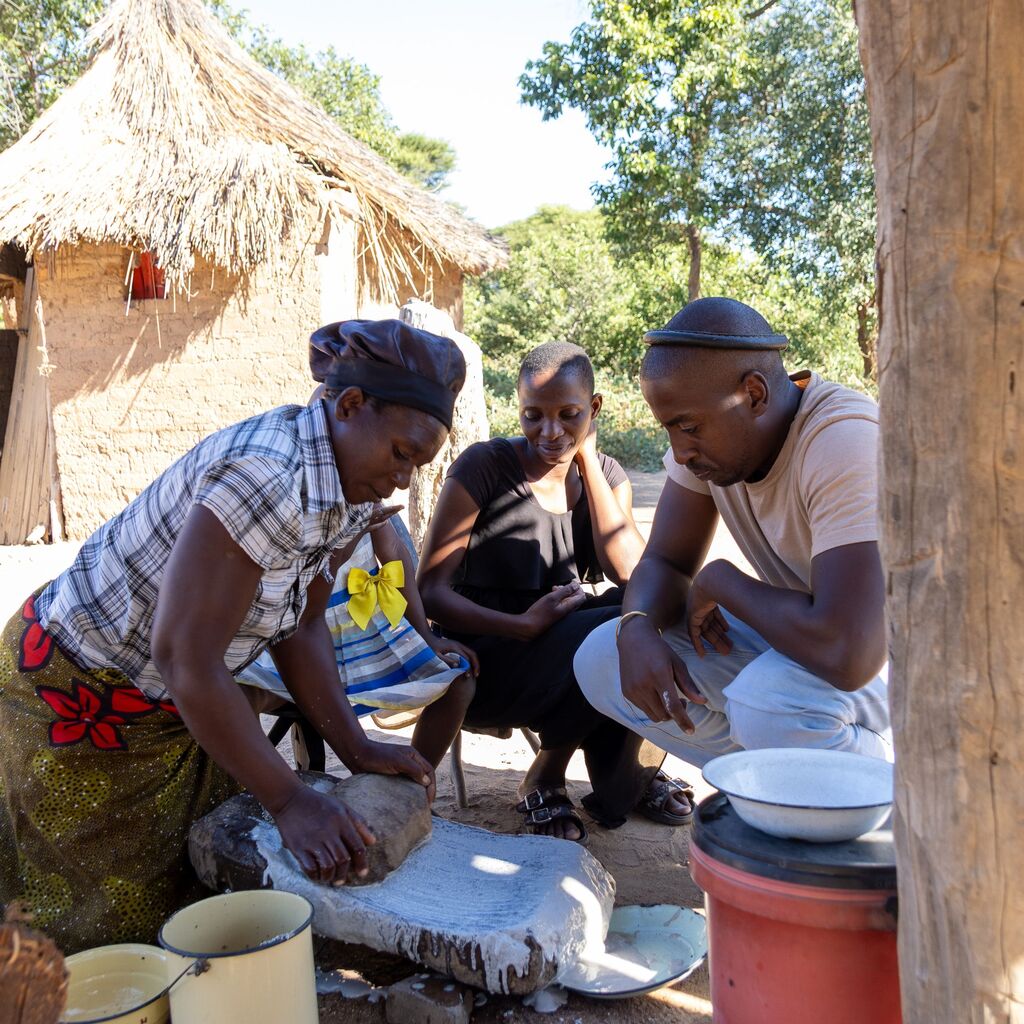
That lesson eventually became the foundation of his work. Since 2010, Prince has been documenting food traditions and the people behind them, travelling through communities in Zimbabwe and beyond to capture practices that might otherwise remain known only within families and villages.
What he finds is a food culture shaped by diversity, resourcefulness and a deep relationship with the land.
In one community, a simple dish called idododo is made by mixing peanut powder with water to create a relish. Among Tonga communities, Prince has encountered numerous varieties of okra and traditional ways of preparing plants that grow around them. In other communities, mopane caterpillars are cooked with fresh milk or whey, creating a combination that surprised even him.
These discoveries reveal something important: traditional food was not simply about following recipes. It was about understanding what was available and finding creative ways to turn local ingredients into nourishing food.
But for Prince, the most important part of the story is what happens beyond the plate.
A dish can carry a proverb, folklore, a language or a memory. That is why his documentaries are recorded in indigenous languages. Through food, he is also preserving the words and cultural expressions that accompany it.
“A dish, you’ll find that there are stories involved, there is folklore involved, there are proverbs involved,” he says.
This is why Prince sees elders as essential custodians of food knowledge. They have lived these traditions and carry experiences that cannot always be found in written records.
For him, losing indigenous food knowledge would therefore mean losing part of a community’s history.
“Food is an identity marker,” he explains. “Food is like a library of our history as a people.”
Some of that knowledge is already under pressure. Prince has witnessed the effects of overharvesting on mopane caterpillars in communities where he has documented them. As ingredients become less available, the practices and knowledge surrounding them can also become harder to pass on.
Yet he sees reasons for hope.
Social media is giving younger generations new ways to encounter indigenous foods, while chefs, farmers, food activists and agro-processors are increasingly bringing local ingredients into conversations about Zimbabwean gastronomy.
But Prince believes watching is not enough. Young people also need to cook, taste and experience these foods themselves.
His own journey continues. He hopes to document more of Zimbabwe’s diverse food cultures and eventually travel across Africa, learning how other communities preserve their culinary heritage.
At the centre of it all is the lesson he received from his grandmother: food is something we inherit, but it is also something we must actively keep alive.
For the next generation, his message is simple – be proud of the ingredients we have, be proud of the food traditions developed over centuries, and use food to contribute to the world.
Help amplify African voices. Share this story: