
Movement updates
The Knowledge Hub for Organic Agriculture and Agroecology in Southern Africa (KHSA) is one of five regional hubs within the continental Knowledge Centre for Organic Agriculture and Agroecology in Africa (KCOA). Working through partners in Malawi, Namibia, South Africa and Zambia, KHSA’s work connects farmers, trainers, civil society organisations, researchers, policymakers and communicators to strengthen skills, encourage peer learning, influence policy and increase access to approaches that can build healthier, more resilient and sustainable food systems across Southern Africa.
Read on to find out what KHSA partners have been up to over the past three months.
Shaping an African-led future
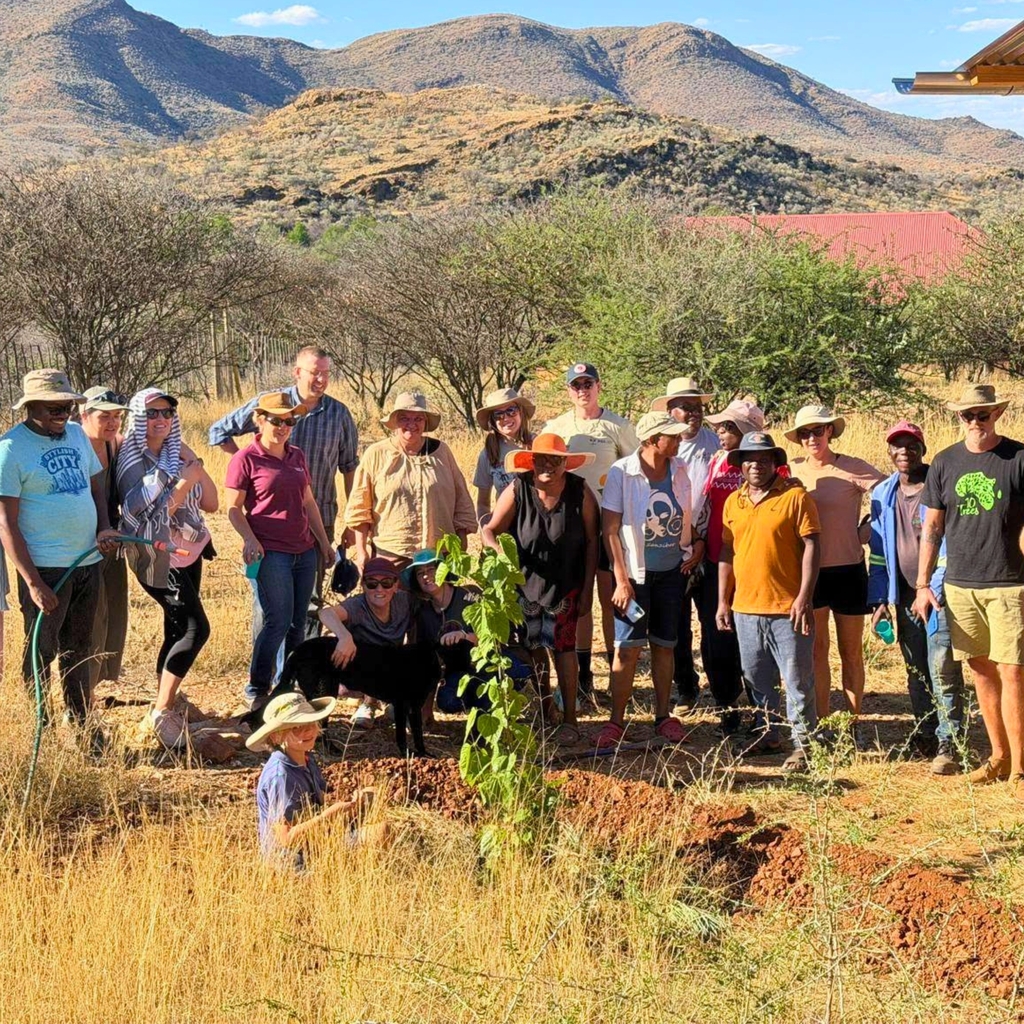
An important milestone was reached in October 2026 when KHSA’s Leadership Collective gathered at Farm Krumhuk in Namibia to help shape the network’s future.
Representatives from Malawi, Namibia, South Africa and Zambia discussed the transition towards a more independent, African-led network as part of the continental Knowledge Centre for Organic Agriculture and Agroecology (KCOA). They explored future governance, partnerships and resource mobilisation, drawing on their collective experience in farmer training, knowledge sharing, participatory guarantee systems and advocacy.
The gathering also included a practical land regeneration activity, or ‘permablitz’. Participants constructed 12 crescent-shaped earthworks to capture rainwater and improve soil infiltration, planted trees and succulents and demonstrated how collective action could restore landscapes.
Turning knowledge into action
KHSA launched two important resources to strengthen agroecology across the region.
The Multiplier Support Programme Guide drew on experiences from four Southern African countries to help organisations design farmer-to-farmer training programmes that build local knowledge and skills.
The CSO Guide to Effective Advocacy provided practical tools for civil society organisations to influence policies, budgets and decisions affecting their communities.
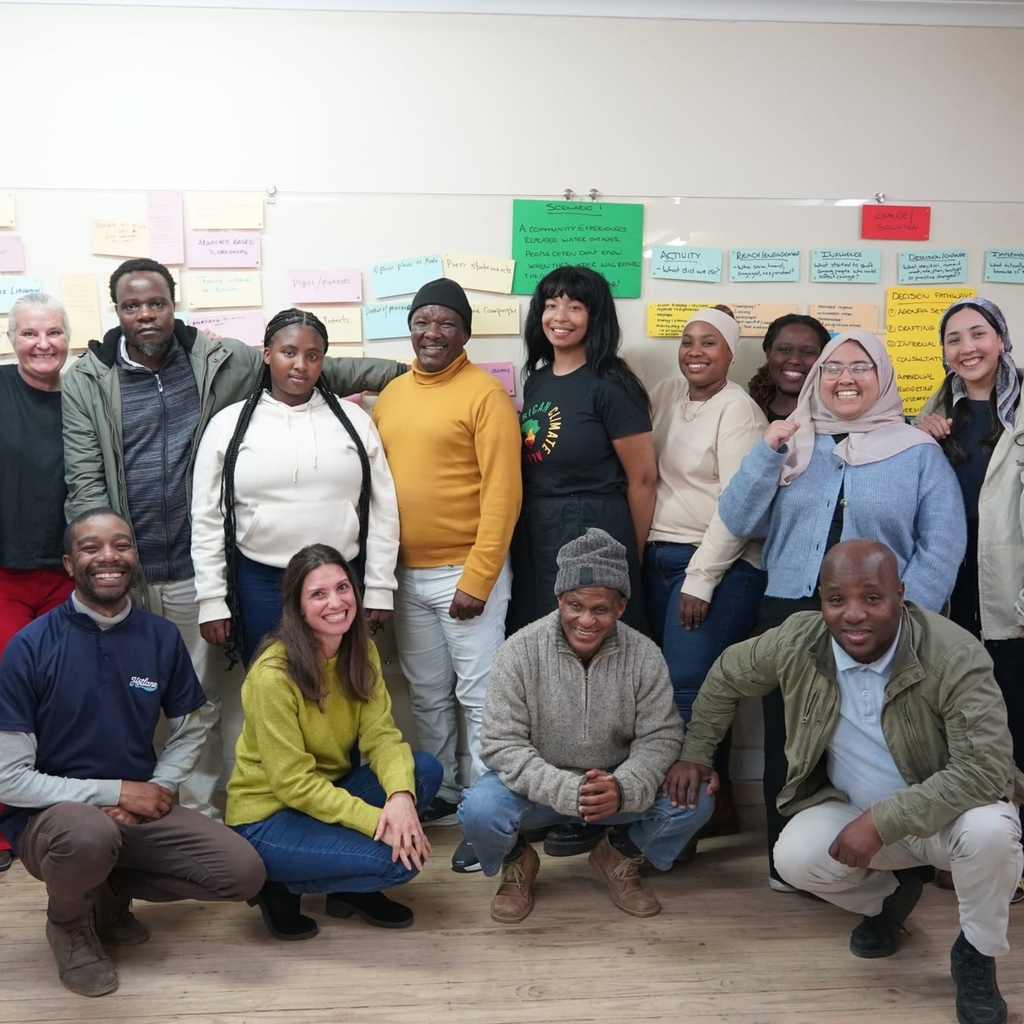
In September, 16 civil society representatives gathered at the Sustainability Institute in South Africa to put the advocacy guide into practice. Through power mapping, group exercises and strategic planning, participants explored how to turn community concerns into focused demands for change.
Farmers and young people driving change
Across Zambia, KHSA partners advanced farmer-led innovation, agroecological enterprise and youth leadership.
PELUM Zambia contributed to the development of the country’s National Agroecology Strategy, while farmers participating in the Research for Agroecology Network Southern Africa project explored participatory plant breeding and the conservation of locally adapted seeds.
Young farmer Mutinta Handondo was elected the Southern African Development Community’s regional youth representative for agroecology at a summit in Uganda, strengthening young people’s representation in regional agricultural discussions.
Meanwhile, Kasisi Agricultural Training Centre expanded farmer training in leadership, food processing, preservation and organic production, with trained farmers sharing their knowledge within their communities.
Celebrating indigenous seeds and local food systems
In Malawi, indigenous seeds and traditional foods took centre stage at SustainFest in September. Soils, Food and Healthy Communities brought 31 participants, including 22 farmers, to showcase local crop diversity, seed-saving knowledge and traditional dishes made from cassava, sorghum, sweet potatoes and beans.
The event created opportunities for seed exchanges, intergenerational learning and market connections.
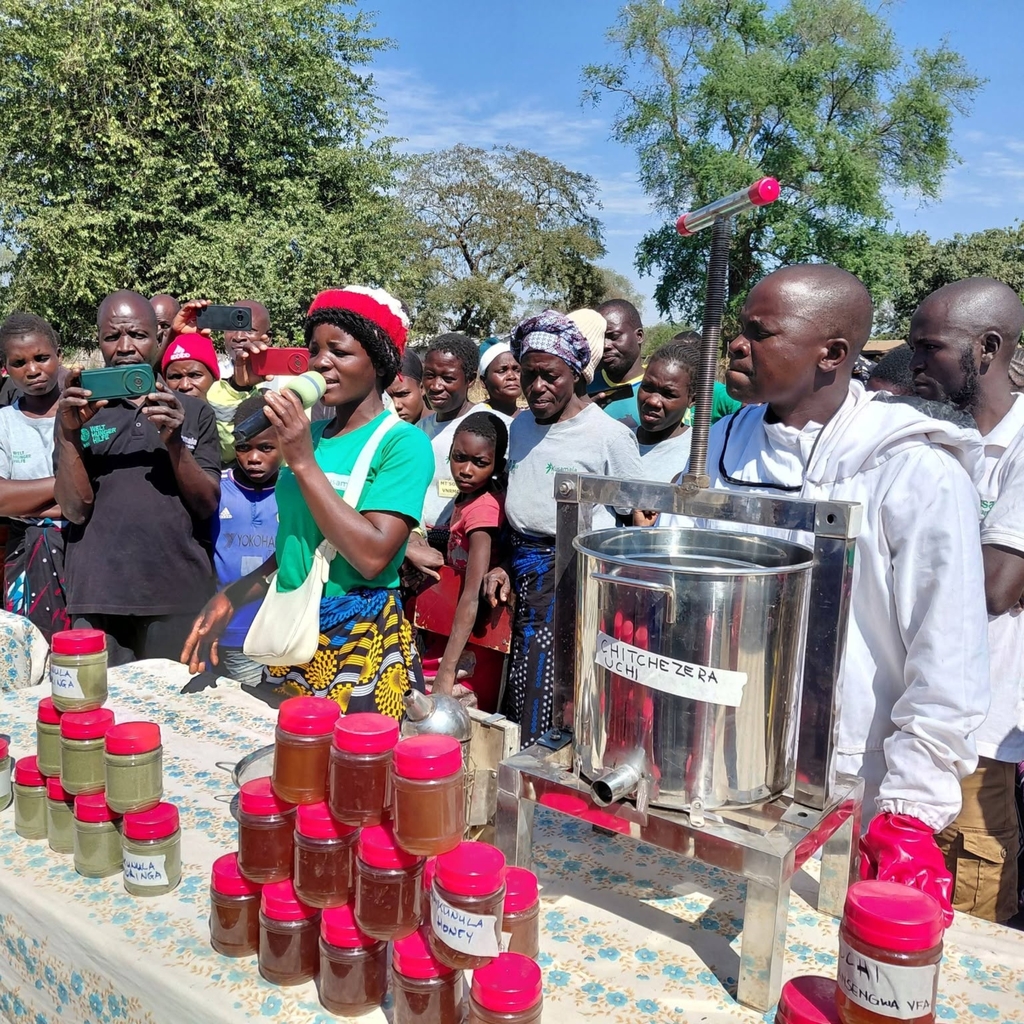
Also in Malawi, the Kusamala Institute of Agriculture and Ecology supported the development of 20 community forest management plans covering 3,600 hectares in Mangochi. Communities demonstrated how sustainable forest management could protect biodiversity while creating livelihoods through products such as honey, bamboo crafts and hibiscus.
Growing organic agriculture in Namibia
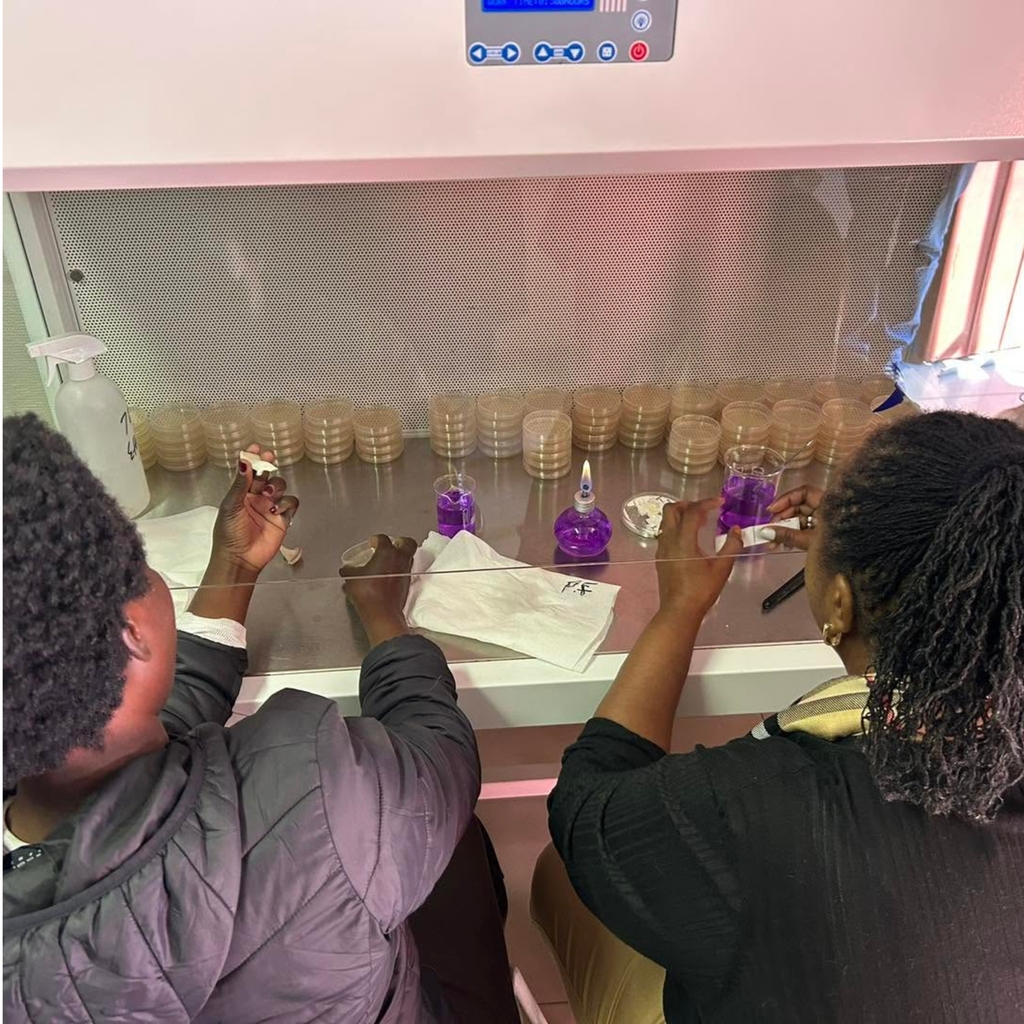
The Namibian Organic Association strengthened practical skills through mushroom cultivation training with the University of Namibia, helping participants explore new opportunities for food production and income generation.
The organisation also contributed to national conversations on nutrition, agricultural self-sufficiency and organic certification. A public screening of The Last Seed highlighted the importance of farmer-managed seed systems and protecting indigenous agricultural biodiversity.
Strengthening farmer networks in South Africa
In Mpumalanga, 25 emerging agroecology leaders participated in the Agroecology Growing Leaders Programme, gaining practical experience in agroforestry, composting, soil management and participatory farm design. The participants were expected to share their learning with 450 farmers.
In the Eastern Cape, the launch of a new Participatory Guarantee System (PGS) group in Port St Johns strengthened farmer-led organic assurance and local food networks.
The South African Organic Sector Organisation also connected farmers with consumers through exhibitions and food events, creating opportunities to showcase locally grown organic produce.
Building a shared future
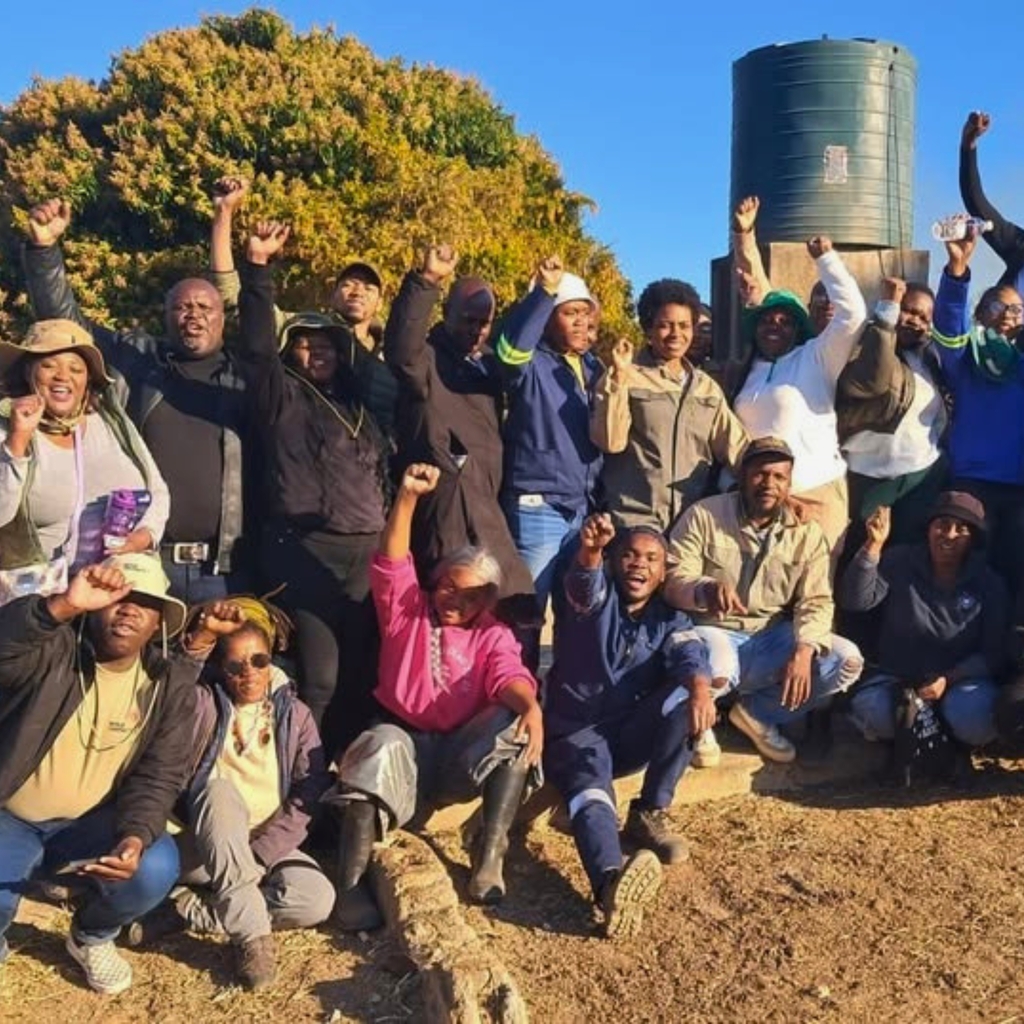
Across Southern Africa, these initiatives demonstrated that agroecological transformation was already taking shape through the knowledge, leadership and collective action of farmers, young people and community organisations.
As KHSA moved towards greater African ownership, its growing network continued to show how regional cooperation, grounded in local knowledge and experience, could help build more just, resilient and sustainable food systems.
Help amplify African voices. Share this story: