How Chef Black Garlic is preserving African food stories
By Odette Mavunga, Curator of Mizizi Kitchen
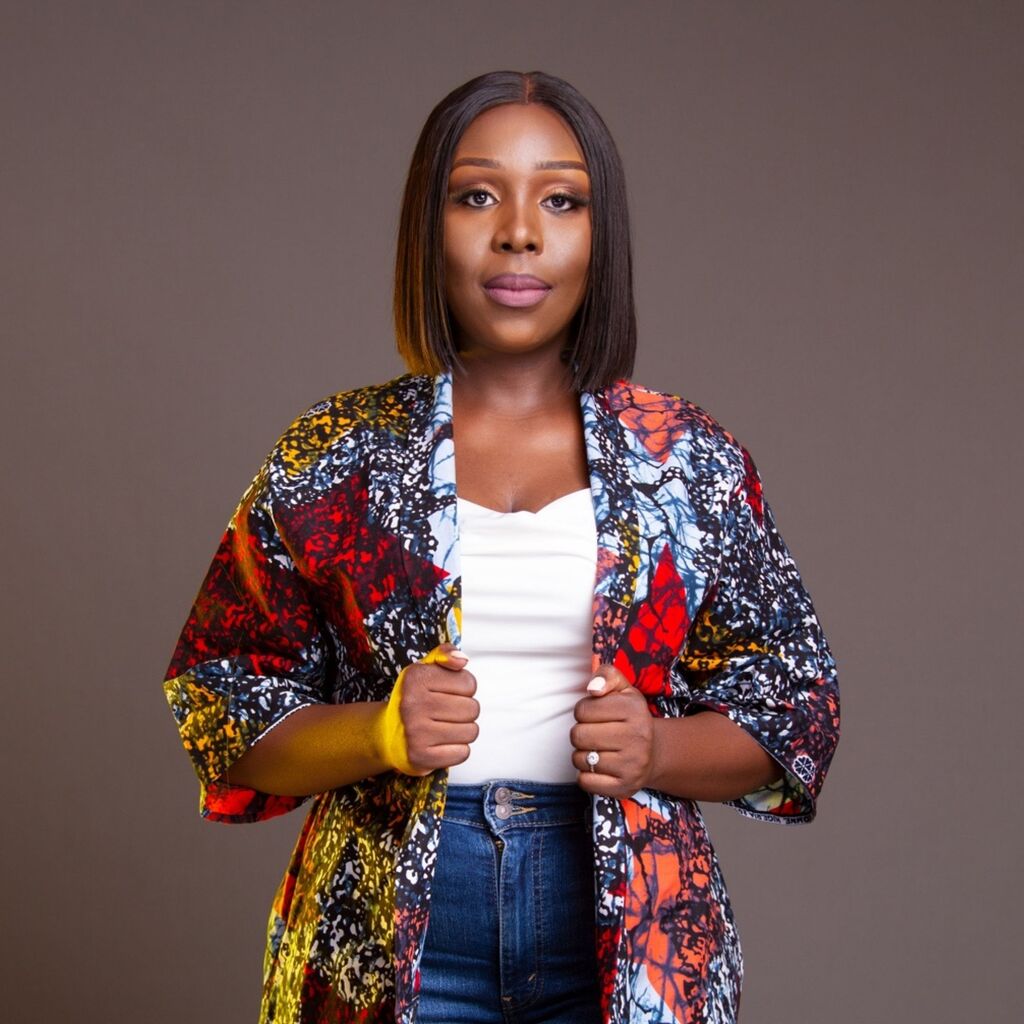
Before a dish reaches the table, it carries a story _ of land, tradition, family, and identity. For Zambian food storyteller Clara Kapelembe Bwali, food is more than nourishment; it is a way of preserving culture and sharing African stories with the world.
Known as Black Garlic, Clara is a food photographer, recipe developer, content creator, and storyteller passionate about documenting and celebrating Zambian and African cuisine. Through her work, she highlights traditional dishes and ingredients that deserve recognition while creating a visual archive for future generations.
The name Black Garlic reflects both her love for food and her identity. Inspired by her favourite ingredient, garlic, and her connection to being African, Clara chose a name that represented her passion and her roots.
“My favourite ingredient in the whole wide world is garlic. I love how it brings a unique dynamic to dishes, and obviously black, because of me being Black, being African.” – Black Garlic
Her journey began after noticing a gap in how Zambian food was represented. Before 2020, Clara saw that there were very few people documenting Zambian cuisine through food photography and storytelling. She decided to use her creativity to tell these stories and showcase the richness of her country’s culinary heritage.
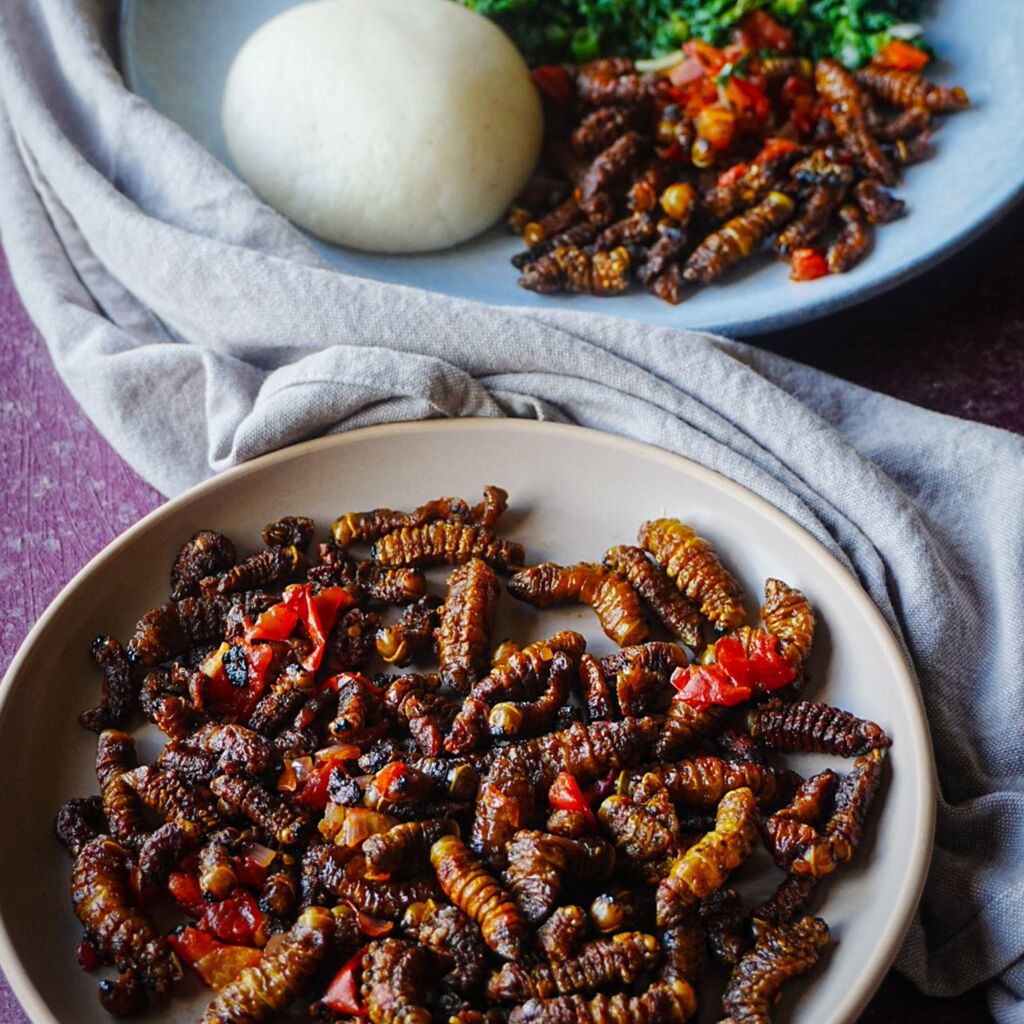
Credit: Clara Bwali (Chef Black Garlic)
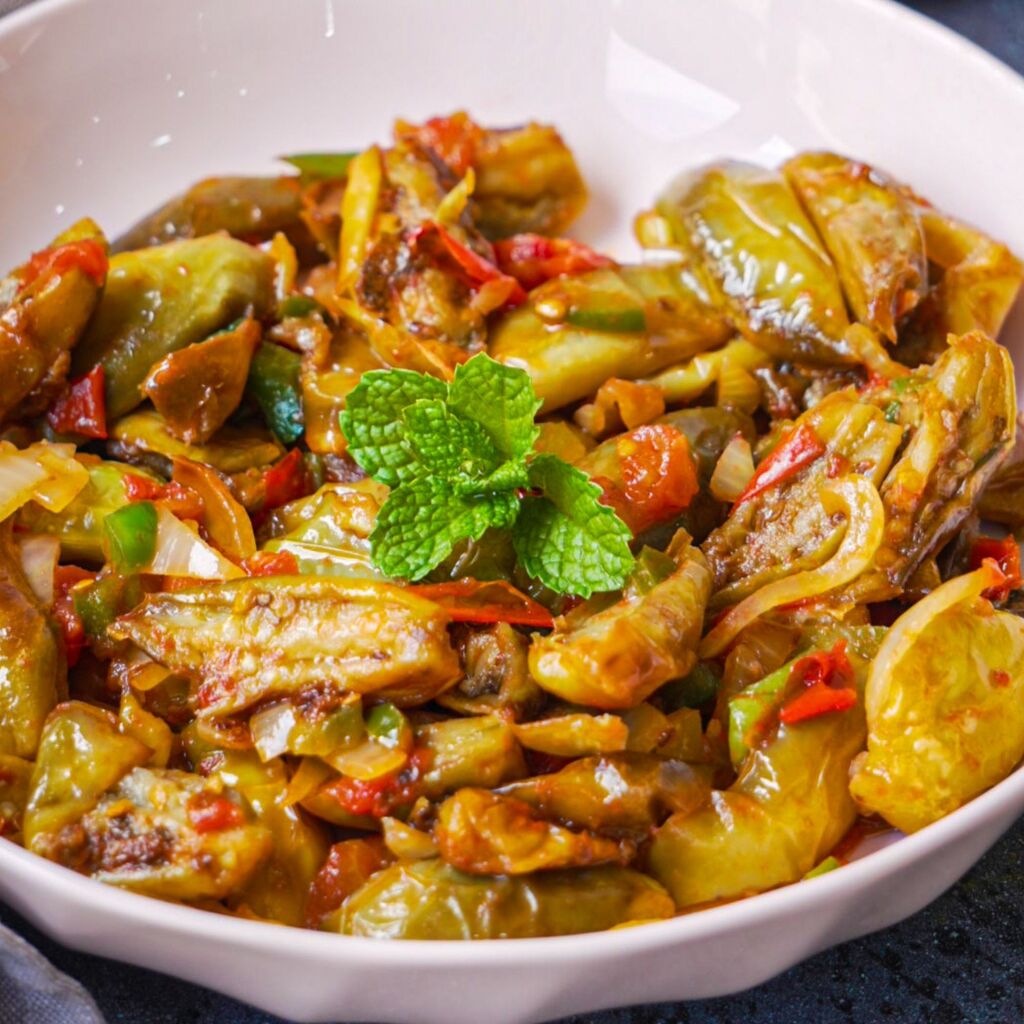
For Clara, food is a bridge between generations. One dish that represents the uniqueness of Zambian cuisine is chikanda — a traditional vegetarian dish made from orchid tubers and groundnuts, known for its distinctive texture and versatility.
“I realised I was preserving culture by sharing about Zambian food and Zambian culture. I was creating a map for future generations to learn about my culture through food,” she says.
Clara believes African cuisine should be appreciated in all its diversity rather than placed under one broad label. Every country, and even different regions within countries, carry their own flavours, traditions, and cooking methods.
“I wish people would stop putting African cuisine under one umbrella…Our cuisine is diverse, it is rich, and it is unique to every country.” – Black Garlic
Her work also extends beyond storytelling to supporting stronger local food systems. Clara believes chefs, food entrepreneurs, and creators have the power to influence what people eat by promoting indigenous ingredients and supporting local farmers.
“When we choose and support local ingredients, we create demand on the market. The more we choose local ingredients, the more income there is for farmers, and the more it encourages them to grow,” she explains.
However, preserving African food traditions also means protecting the environments that sustain them. Clara has witnessed how climate change is affecting the availability and quality of local produce in Zambia, from changes in rainfall patterns to reduced harvest quality.
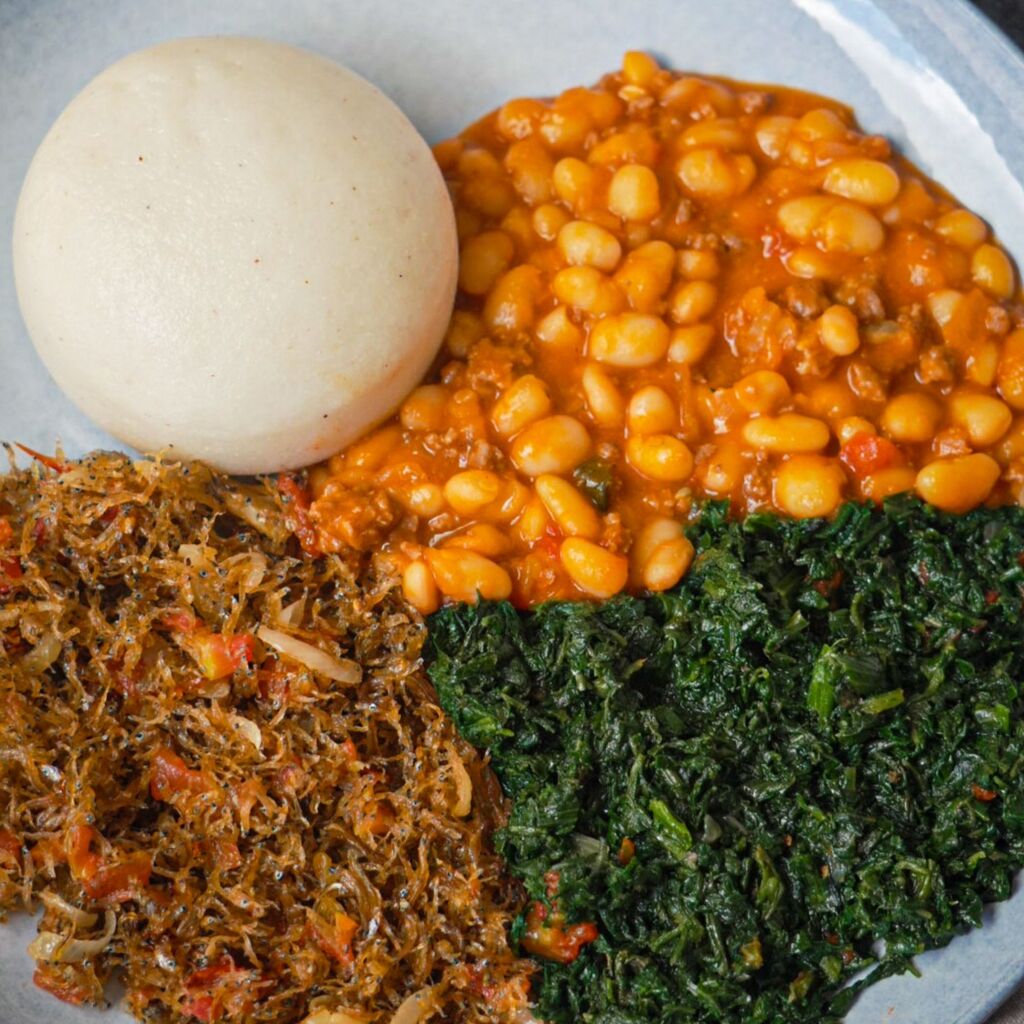
Credit: Clara Bwali (Chef Black Garlic)
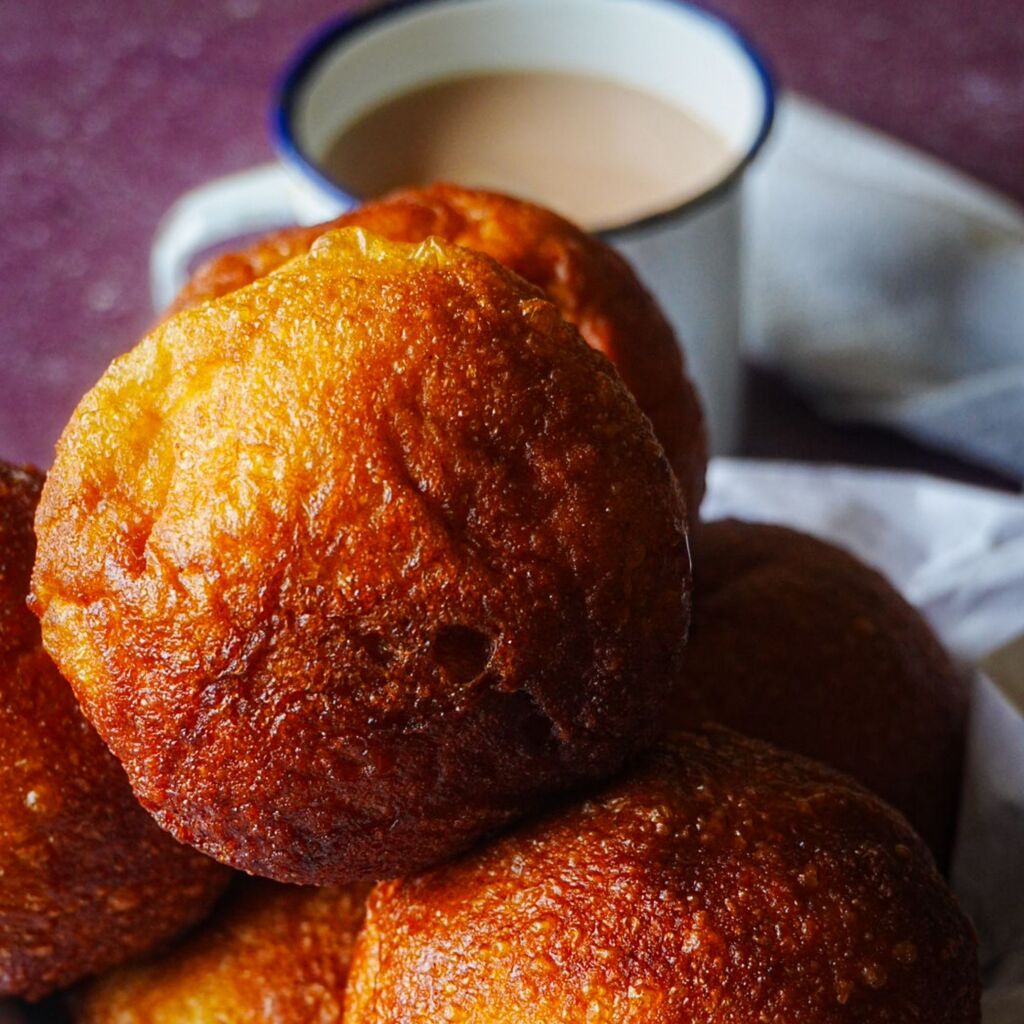
“Too much of everything affects the taste or the quality of ingredients,” she says, highlighting the need for sustainable farming practices and greater care for the environment.
Through photography and storytelling, Clara hopes to change how African food is perceived globally. She believes presentation matters because people often experience food through their eyes before they taste it.
Looking ahead, Clara is hopeful about the future of African cuisine. She sees a new generation of chefs, photographers, and storytellers who are proud of their heritage and determined to share their own narratives.
“African cuisine is entering a new era, one where we define our own narrative. The world is paying attention to African cuisine.” – Black Garlic
Share this story with your community: