
Quiet youth farming revolution taking place in Zambia
By Juliet Makwama, Zambia
In Lusaka and Copperbelt provinces of Zambia, a quiet climate revolution is taking root through hydroponics farming and young people are leading. In Chongwe District, brothers Victor Kayombo, Kennedy Lubeka and Henry Nabende have spent the last two years proving that farmers do not need huge hectares of land to farm sustainably. That is because hydroponics enables a lot of food to be grown on even a small piece of land.
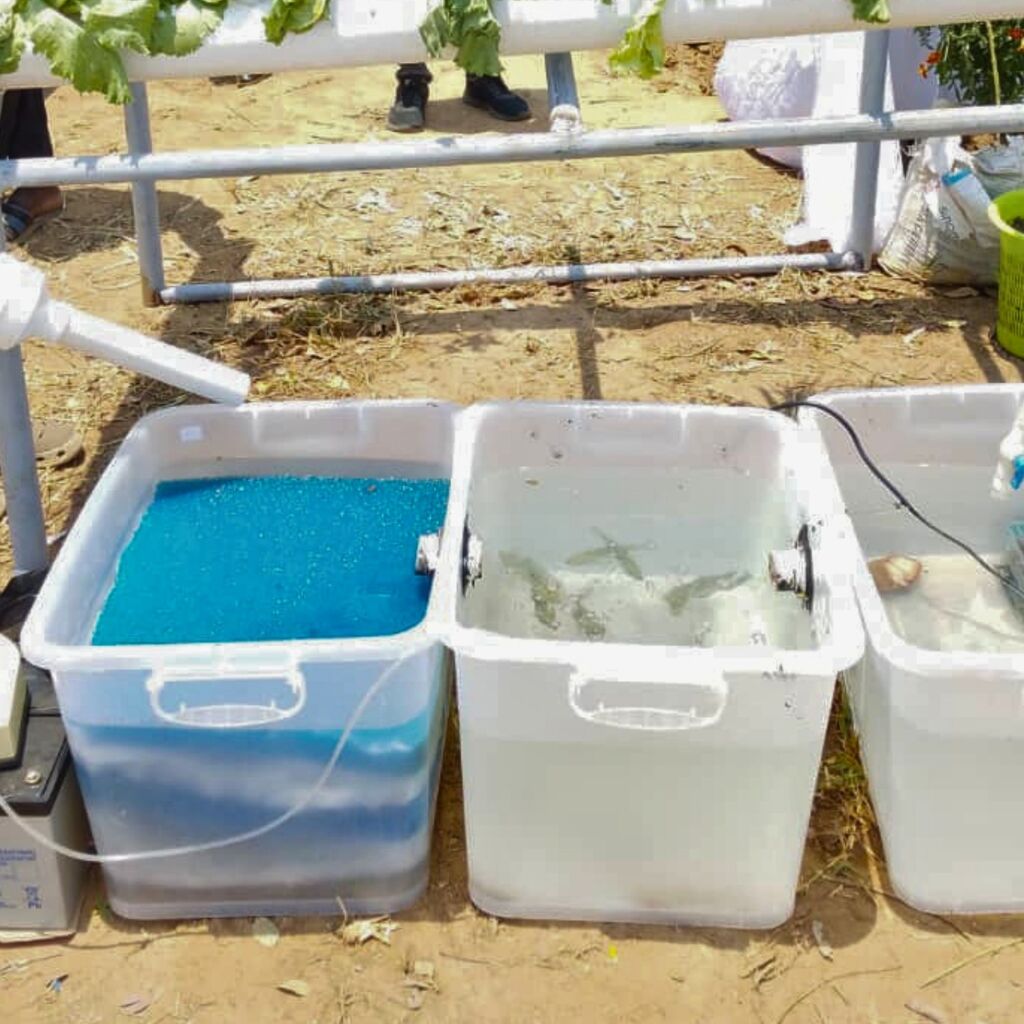
In hydroponics farming, farmers grow plants in a water-based, nutrient-rich solution without soil. The system submerges roots in water for direct delivery of essential minerals. Crops that can be grown include vegetables like kale, onion, lettuce and tomatoes, among others.
In an interview, Victor disclosed that having done hydroponics farming for two years, he would not hesitate to recommend this initiative to youths who want to grow food sustainably. He explains that this group had been doing traditional agriculture and fish farming but were encouraged to engage in hydroponics after their interaction with farming groups enlightened them on the benefits of the technology.
Victor is of the view that youths should not use the excuse of not having land to venture into sustainable food production noting the hydroponics should stimulate young people’s desire to enter agriculture as a lot of food can be grown in a small area.
“Many youths have limited access to land and to increase to full commercial capacity, one might need a big piece of land, but a backyard is a good start! Youths will be contributing to environmental conservation while reducing reliance on buying food produced elsewhere.” – Victor Kayombo, hydroponic farmer, Zambia
Victor talks about the environmental benefits of hydroponic – reduced chemical pollution, minimal land usage and enhanced ecosystem protection. He notes that the hydroponic youth farmers are using 90% less water compared to traditional agriculture.
It also eliminates the need for soil and this prevents erosion and chemical runoff while producing much higher yields in smaller spaces,” Victor highlighted.
He said because the group was already doing aquaculture before embarking on hydroponics, it was easy to set up the closed loop system where is water is contained and continuously recirculated in the pipes with the plants, a situation that eliminates the loss of water.
Victor had a message to youths across southern Africa and beyond as the region experiences climate change impacts on food production, with some experts already suggesting that farmers capacity to grow more than enough food has drastically dwindled over the years.
“So for hydroponics, we also look at issues of water scarcity. Farmers just need to ensure there is water circulation through the pipes for all the plants and they don’t have to worry about watering. In hydroponics, the water network is connected to the system. You have a pump down and the pipes on top connected to each other so the water will continue to circluate and all the plants will benefit,” he said.
Talking about nutrition and the food produced through hydroponics, Victor said using this method, plants absorb essential elements directly from water saying the food produced is rich in nutrients such as potassium, nitrogen iron and calcium among others.
Victor sums it up by saying, “hydroponics, sometimes refered to as farming without soil can indeed be a game changer that can increase not only food security, but also nutrition for households. It is a climate smart answer to water scarcity, soil degradation, and chemical pollution,” he said.
Invite your community into the conversation: